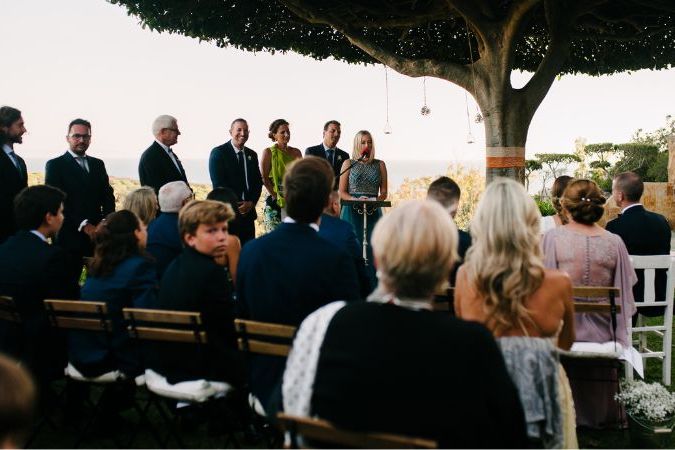
When a couple starts imagining their special day, one of the biggest questions usually comes up pretty quickly: how do we want to celebrate our wedding? Although it may seem like a simple decision at first, there are several ways to say “I do” in Spain, each with its own details, requirements and personal or symbolic touches. If you’ve ever wondered whether a civil ceremony, a religious ceremony or a symbolic ceremony is the right choice for you, keep reading.
Choosing the perfect ceremony isn’t just about deciding how or where you’ll exchange your vows. It’s the first step towards creating an unforgettable memory and laying the foundations for an authentic wedding experience. What should you consider? Is the paperwork complicated? Do you have to choose between tradition and modernity? Here, we’ll explain everything clearly and share a few useful tips to help you make the best decision.
What types of wedding ceremonies are there in Spain?
In Spain, there are three main paths you can take: civil, religious or symbolic. Each has its own legal and personal characteristics, and the process can vary considerably depending on the option you choose.
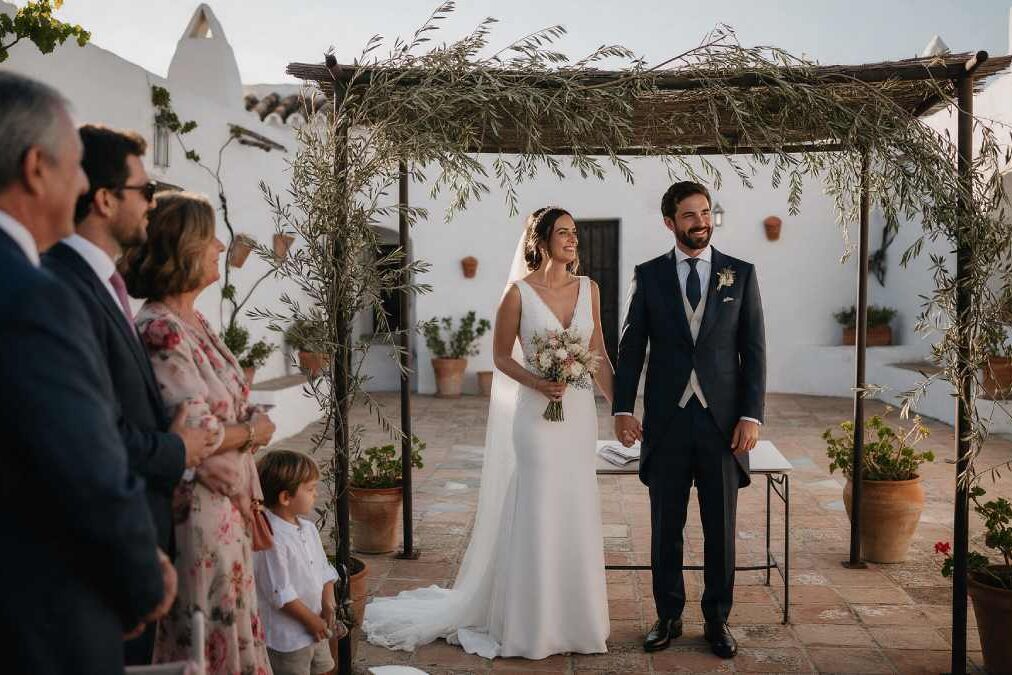
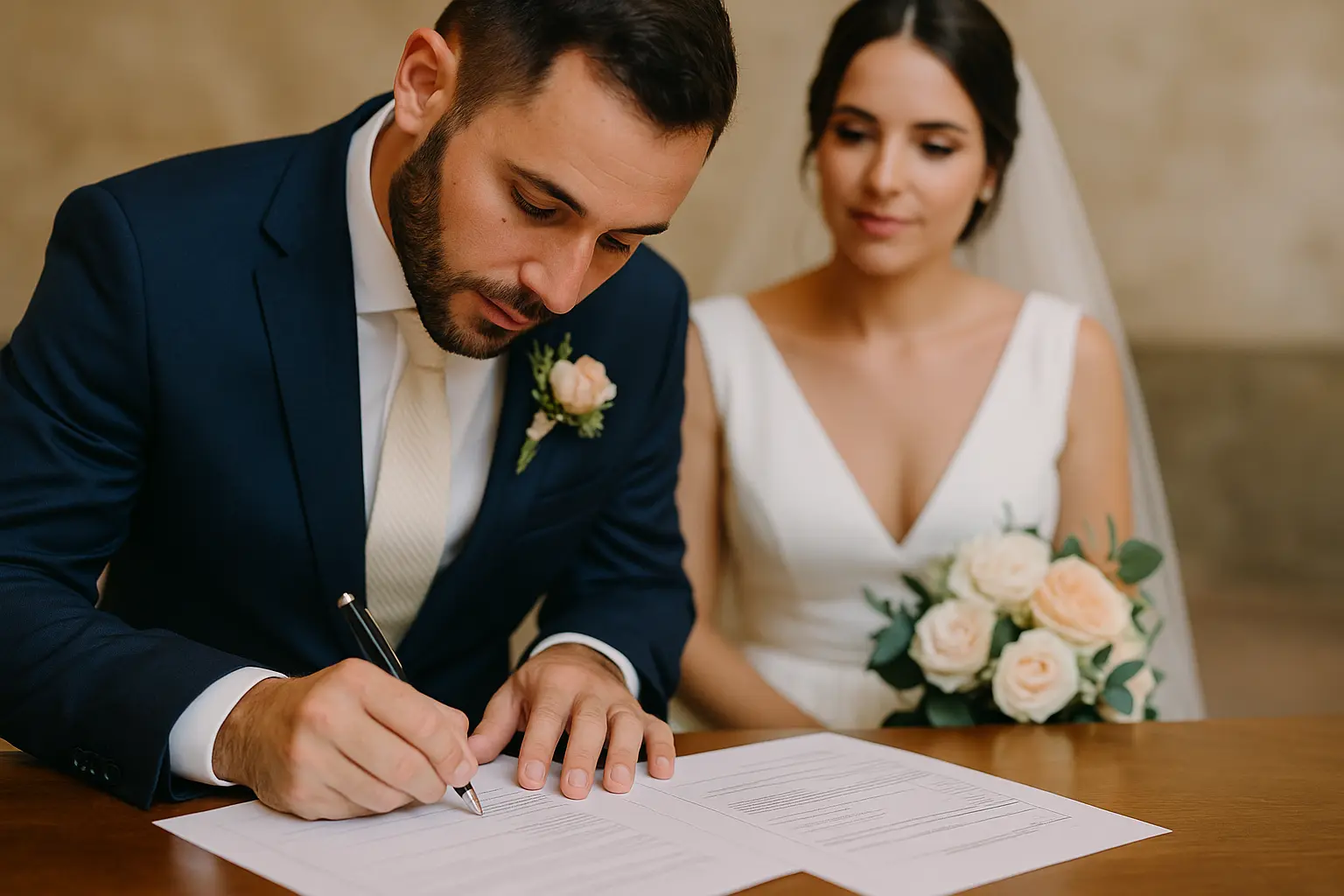
- Civil ceremony: official, legally recognised and, above all, highly flexible. You can adapt it to suit your style.
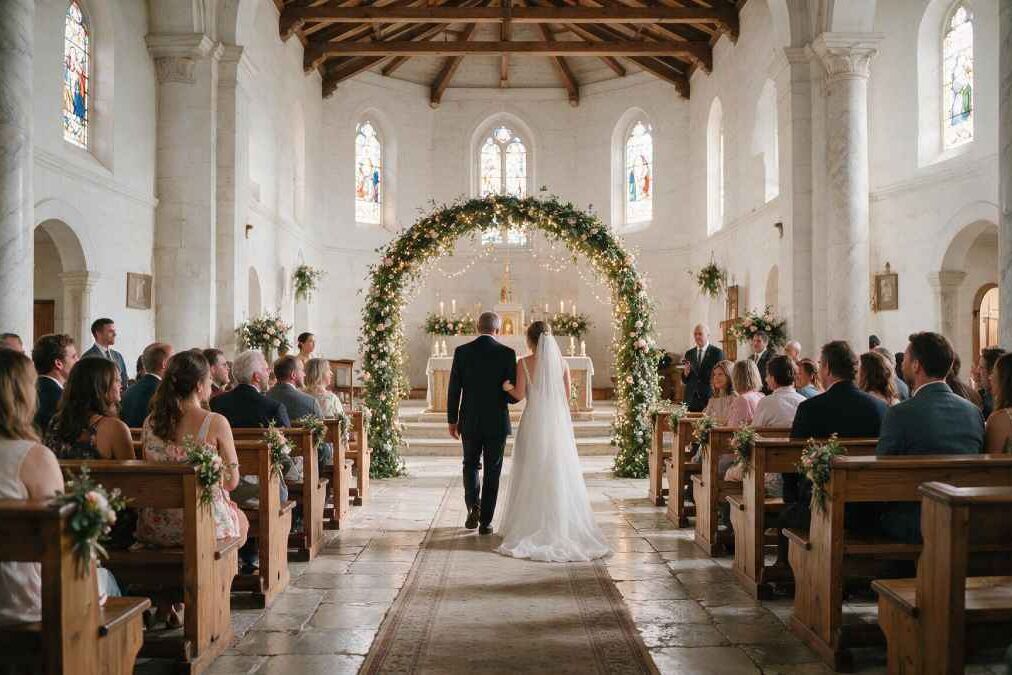
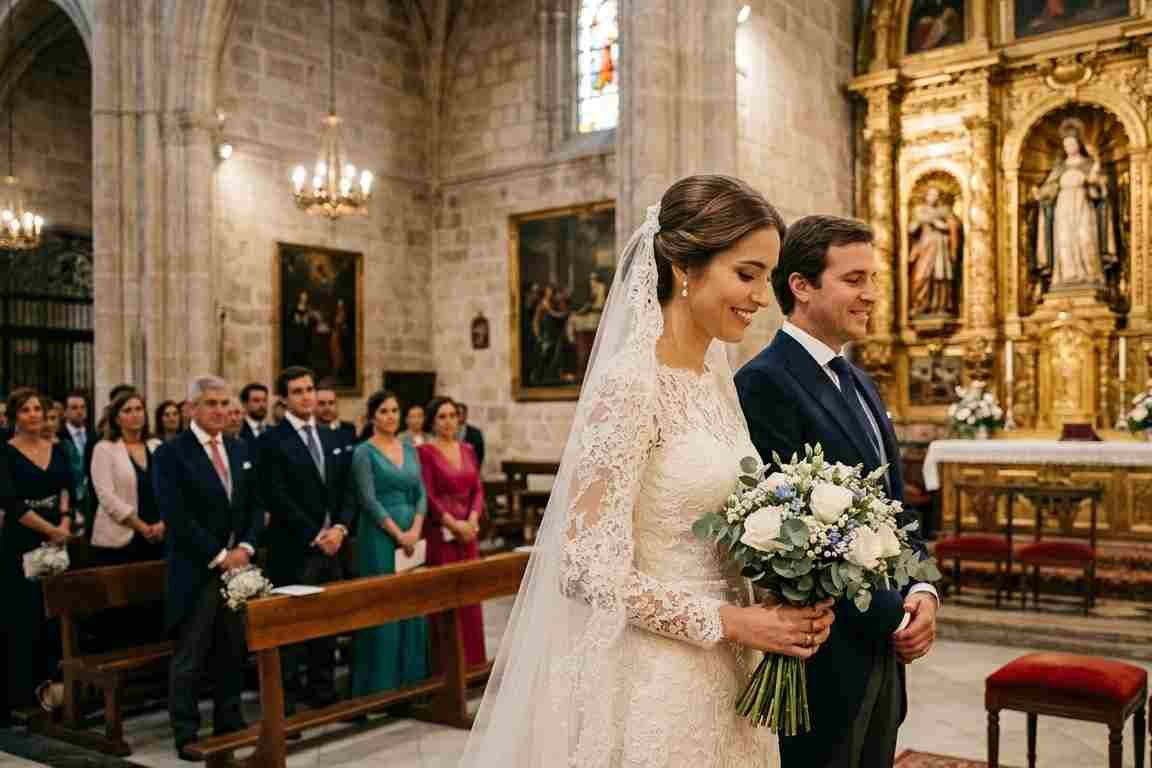
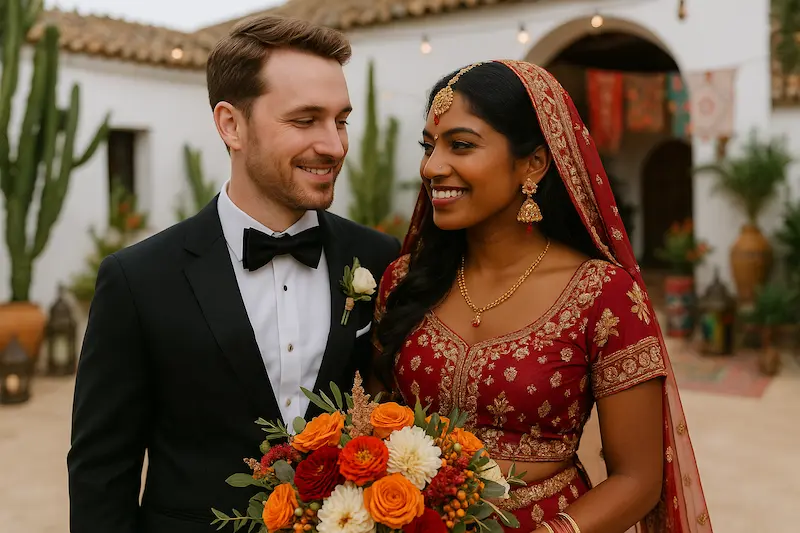
- Religious ceremony: the classic choice, particularly Catholic weddings, although ceremonies from other faiths are also common.
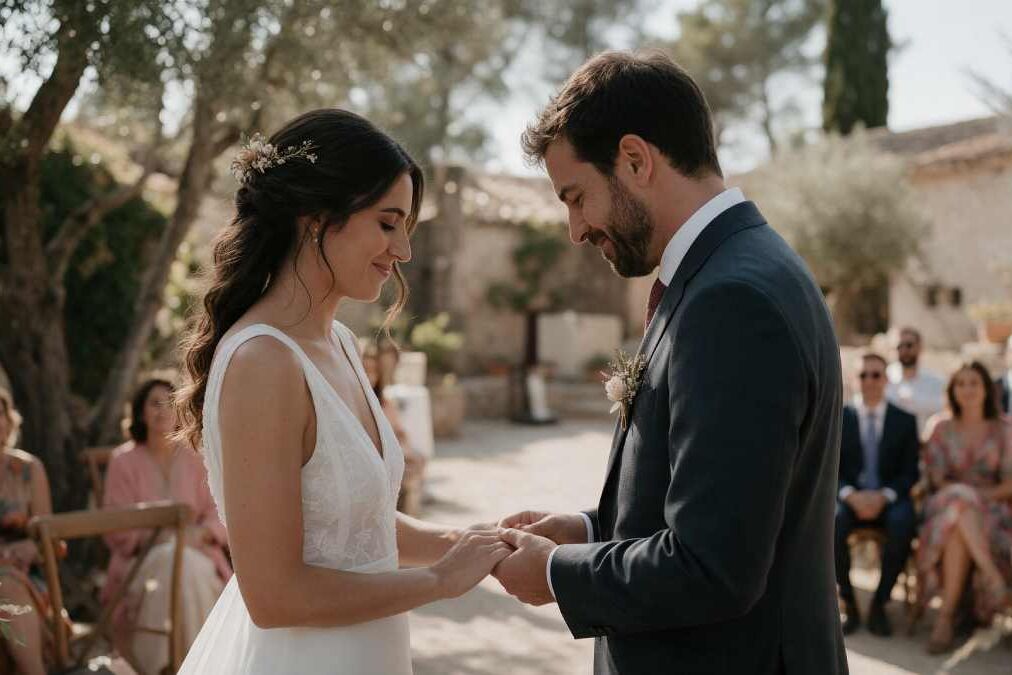
- Symbolic ceremony: this is where creativity takes centre stage. It has no legal validity, but it can carry enormous personal and emotional meaning.
The great thing about Spain is that there’s room for every approach and belief. The possibilities are almost endless, allowing each couple to choose the option that best reflects their story. Do you already have a favourite in mind?
What is a civil wedding ceremony in Spain like and what are the requirements?
Civil weddings have become increasingly popular, especially among couples looking for a simple, legally recognised union without any religious connection. If you want your marriage to be legally recognised while enjoying plenty of freedom to personalise the ceremony, this could be the perfect option for you.
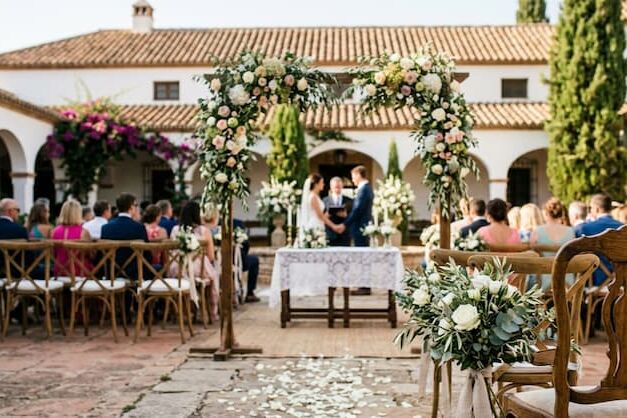
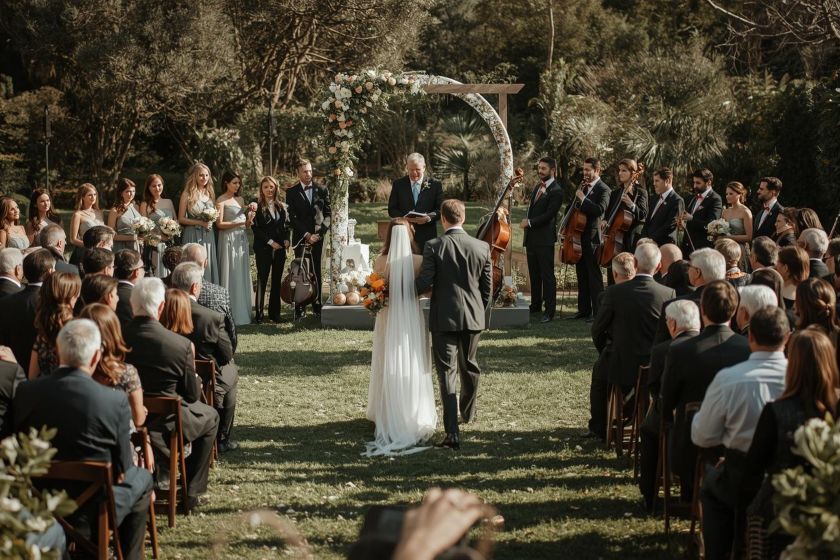
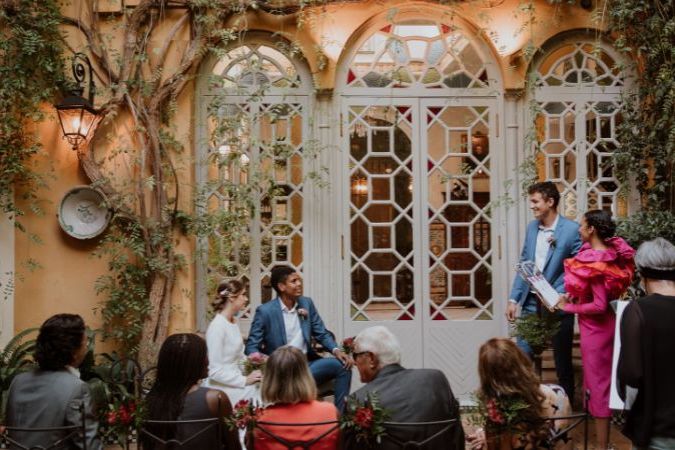
Today, civil ceremonies can take place at town halls or other authorised official venues. Depending on the circumstances, you may also be able to celebrate at the wedding venue you’ve fallen in love with, provided the legal requirements are met and an authorised wedding officiant conducts the ceremony.
What options and traditions are available for religious wedding ceremonies in Spain?
If tradition, symbolism and spirituality are important to you, a religious ceremony may be the perfect fit. Spain has a rich history and religious diversity, so there are several possibilities to consider.
Catholic weddings remain the most common, but more and more couples are choosing ceremonies from other faiths. Protestant churches, synagogues, mosques and Orthodox churches all host weddings filled with their own meaningful customs and rituals.
Why choose this route? Many couples want to feel part of a community, honour family values or simply experience the same kind of ceremony their parents or grandparents once had.
Did you know that every faith has different requirements?
- Catholic: baptism, First Communion, Confirmation and usually a pre-marriage course are typically required.
- Protestant: there is generally more flexibility, although arrangements need to be made with the relevant congregation.
- Jewish or Muslim: you may need to provide specific documents and follow particular religious traditions and rituals.
If you choose a religious ceremony, you’ll be immersing yourselves in traditions with deep roots and symbols that go far beyond simply saying “I do”.
What is a symbolic wedding ceremony and how does it work?
More and more couples are choosing symbolic ceremonies because they want something unique and completely tailored to them. There are no legal or religious restrictions defining the ceremony: your imagination – and your hearts – can lead the way.
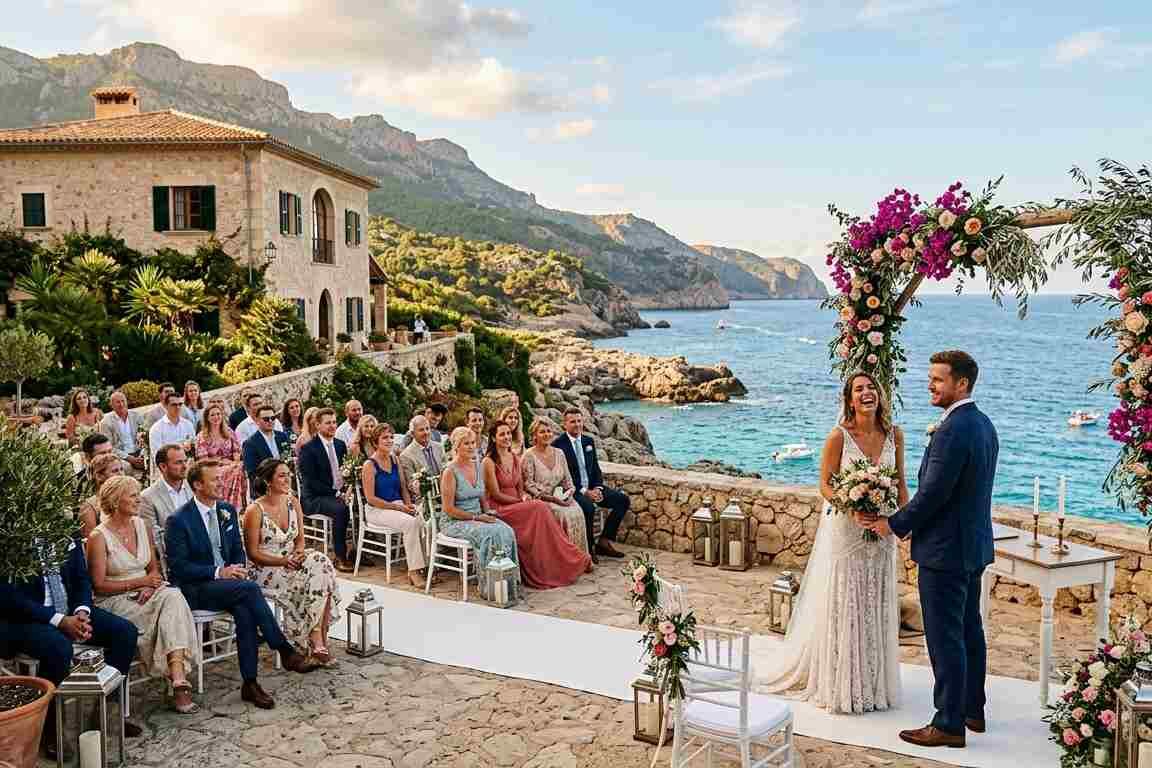
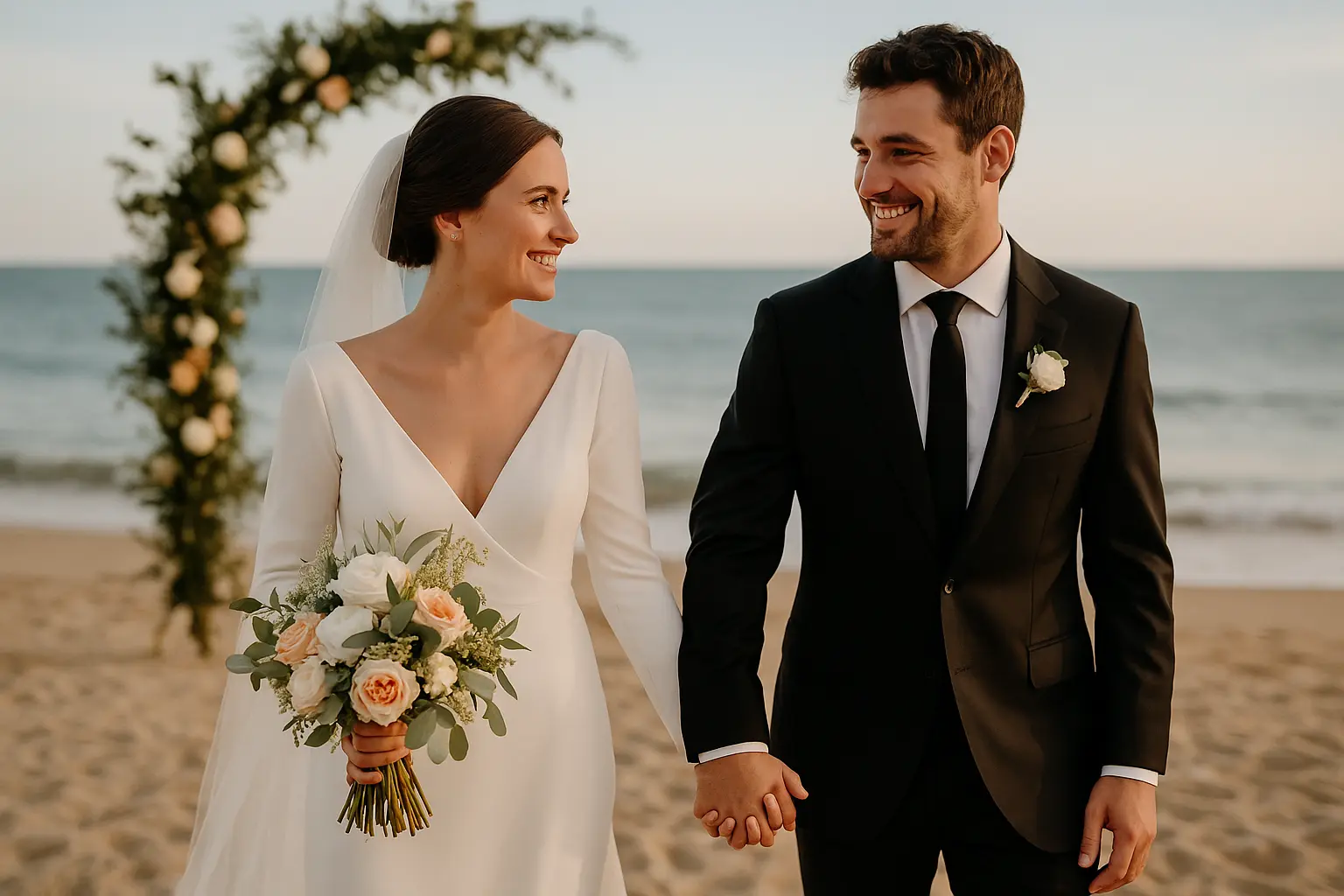
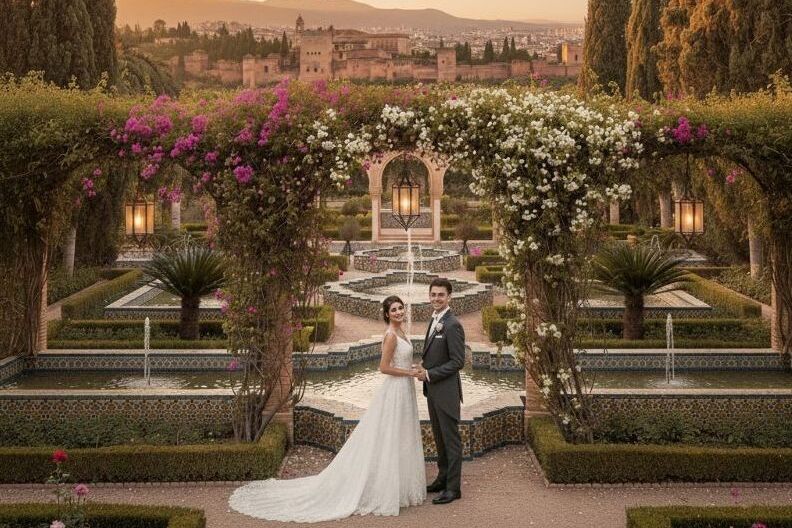
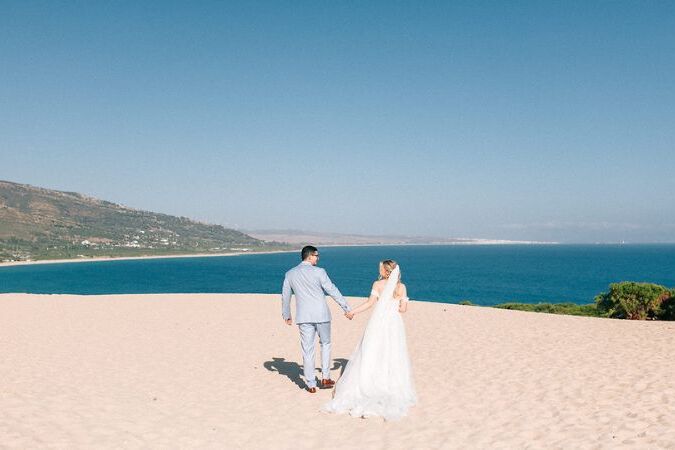
This option is particularly popular with international couples and destination weddings. Why? Because you can choose virtually any special location, from a beach to a hidden garden, and even ask a friend to officiate. Personalised wedding vows are almost a must here, because practically anything is possible.
Some of the most popular symbolic wedding rituals include:
- Sand ceremony: you combine two different colours of sand to symbolise your union.
- Unity candle ceremony: together, you light a new candle representing your shared life.
- Handfasting: your hands are tied together with ribbons or cords in the Celtic tradition – beautiful, meaningful and highly visual.
- Readings and personal words from family members or close friends.
Is it legally valid? No. But the memory can be even more powerful because you can give every element your own meaning. What matters most is that the moment feels genuine and leaves a lasting impression.
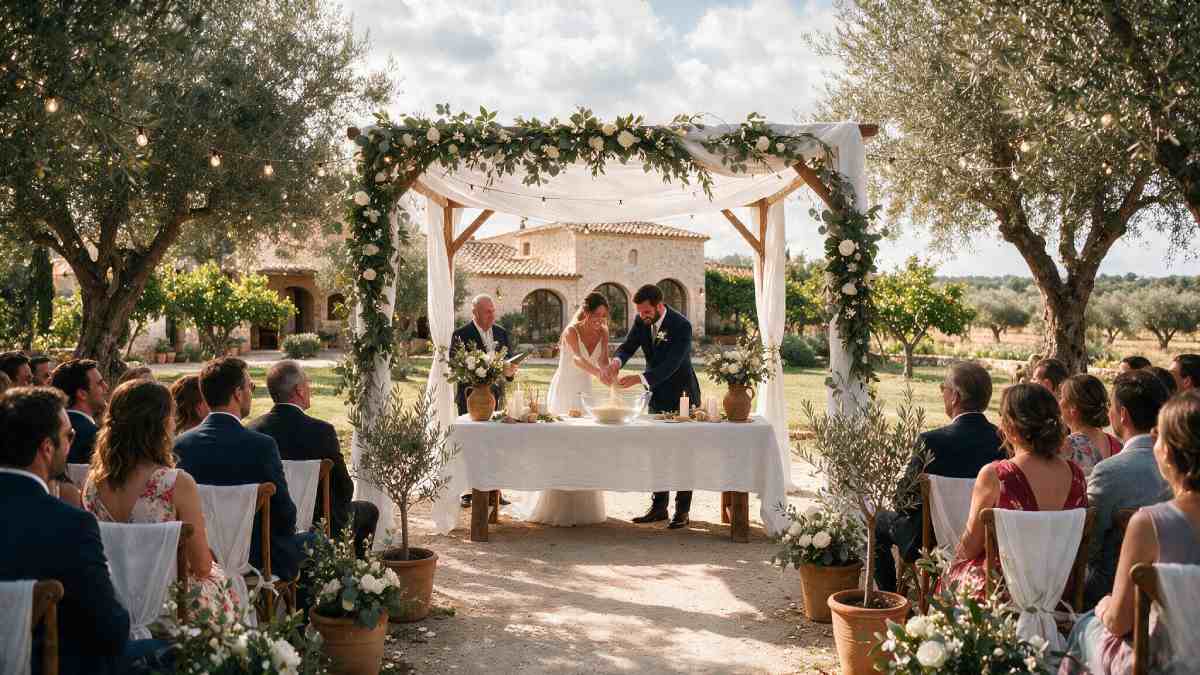
What are the differences between civil, religious and symbolic wedding ceremonies in Spain?
This is a question many couples ask, and understandably so: how are these ceremonies actually different? The main differences come down to three things: legal validity, the level of personalisation and the importance of tradition or symbolism.
|
Type of ceremony |
Legal validity | Level of customisation | Tradition/religion | Possible venue |
| Civil | Yes | High | No |
Registry office, town hall, authorised venues |
|
Religious |
May be legally recognised | Medium | Yes | Churches, places of worship |
| Symbolic | No | Very high | Can be incorporated |
Anywhere |
Surprised? Many couples combine a simple legal wedding with a much more emotional symbolic celebration. Ultimately, there are no fixed rules: you can mix and match whatever inspires you most.
How do you choose the ideal wedding ceremony for you as a couple?
Choosing the perfect ceremony isn’t about fitting into a particular mould. Instead, ask yourselves:
- What does marriage and a wedding mean to you?
- How important are your family’s expectations, religion or culture?
- Do you picture an intimate atmosphere or a large celebration?
Our advice: don’t get carried away by what a wedding is “supposed” to look like. The perfect wedding is one where you can truly be yourselves, surrounded by the people who genuinely matter and celebrating your love in your own way. That makes the words “I do” feel twice as powerful.
What trends are shaping wedding ceremonies in Spain today?
Did you know that weddings in Spain have never been as personalised as they are today? Forget the rigid formulas of the past. These days, we’re seeing:
- A boom in symbolic ceremonies, often held in unconventional locations
- A rise in destination weddings, with guests travelling from all over the world
- Multicultural celebrations combining different rituals and traditions, perfect for international couples
- The growing popularity of professional wedding celebrants, including for civil-style ceremonies
In short, every couple is creating their own story, and more than ever, weddings are becoming a reflection of who you are and what truly moves you.
How can you plan a memorable wedding ceremony in Spain?
Now we come to the most exciting part: bringing your big day to life. There’s no magic formula, but there are a few things we’ve learned first-hand at That’sAmore that can make the whole process easier:
- Surround yourselves with experienced professionals: a good wedding planner is like having a guardian angel when it comes to unexpected problems and pre-wedding nerves.
- Your venue matters more than you might think: do you dream of a castle in Castile, a sunset on the Costa Brava or a historic church?
- Create unique moments that genuinely feel like you: write your own vows, choose meaningful details… Every personal touch counts.
- Think about your guests: their experience matters too. A truly happy wedding is one everyone enjoys, not just the couple.
- Don’t be afraid to mix styles: tradition and modernity can work beautifully together and create some wonderful surprises.
An open secret: the most memorable weddings aren’t necessarily the most expensive ones. They’re the ones overflowing with authenticity.
What legal and cultural considerations should you keep in mind?
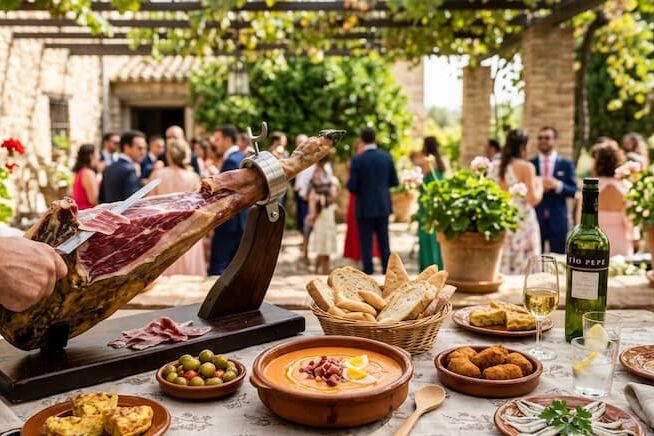
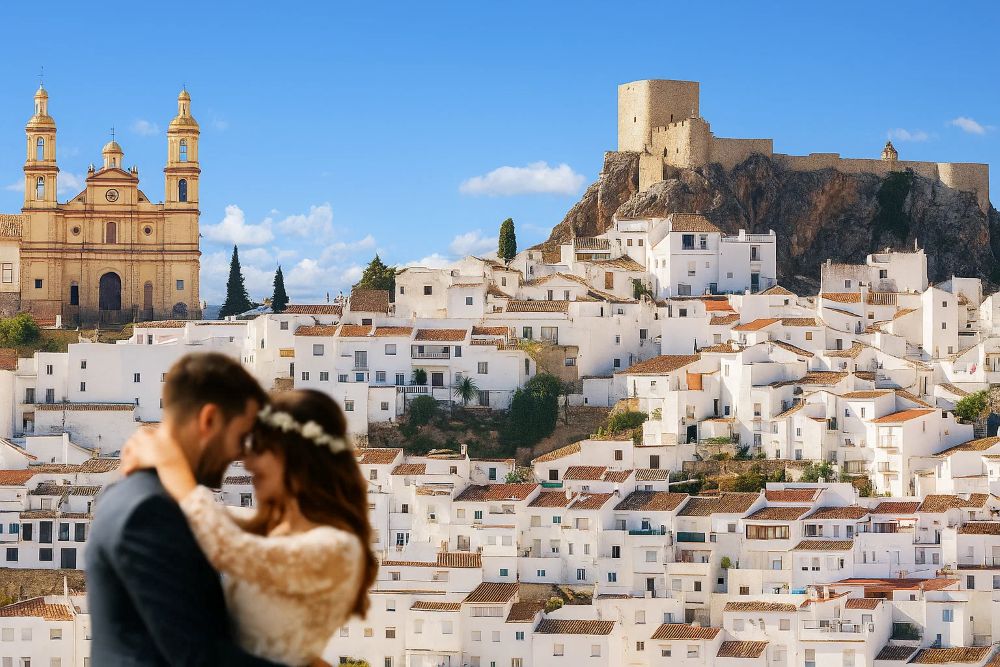
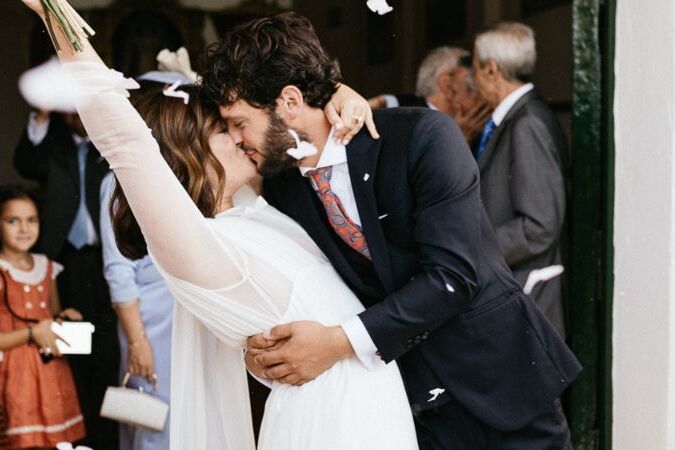
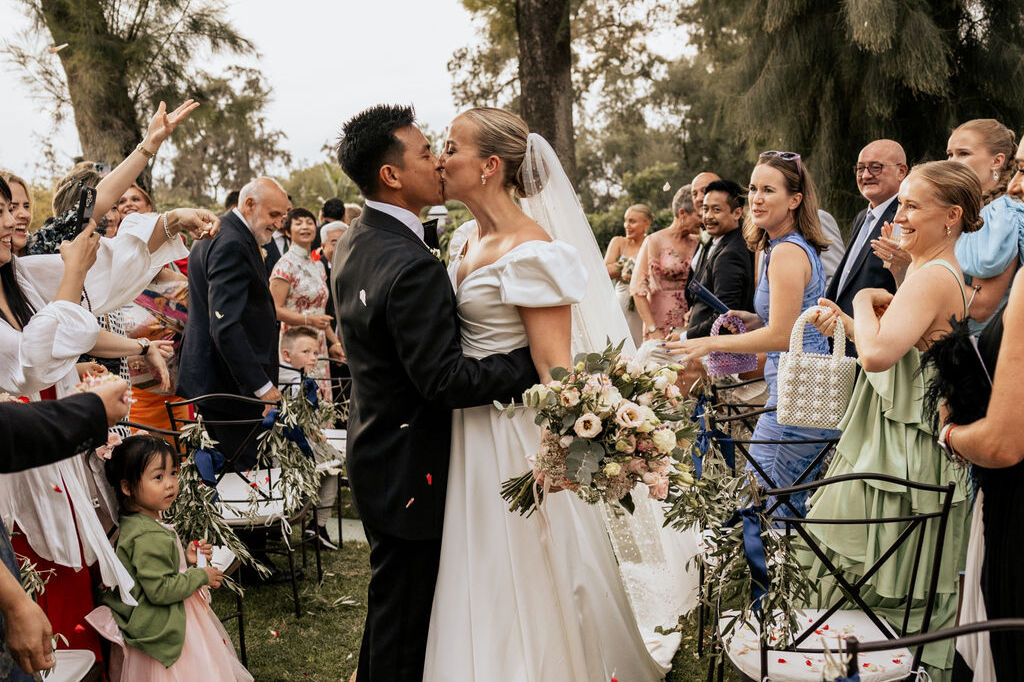
One final piece of advice to help your big day run smoothly. When it comes to culture, embrace the local traditions: throwing rice after the ceremony, live music, long meals and conversations around the table… These distinctly Spanish touches can make all the difference and become memories your guests will never forget.
So, are you ready to discover which type of ceremony is right for you? If you already know, perfect! And if you need a little help, at That’sAmore we’ll be delighted to guide you every step of the way, from the very first “I do” to the last song of the night. Because the perfect wedding can only be yours, exactly as you’ve always dreamed it.