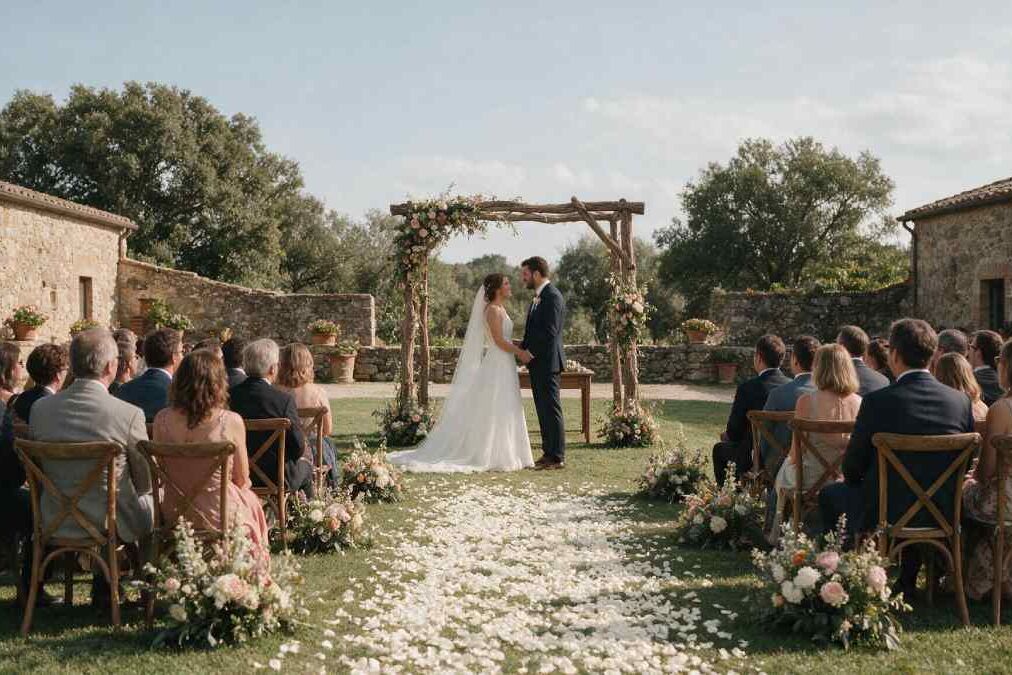
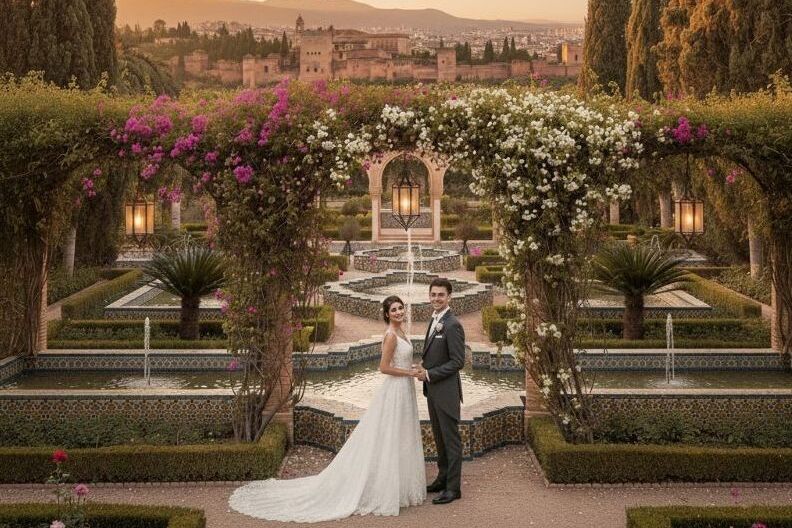
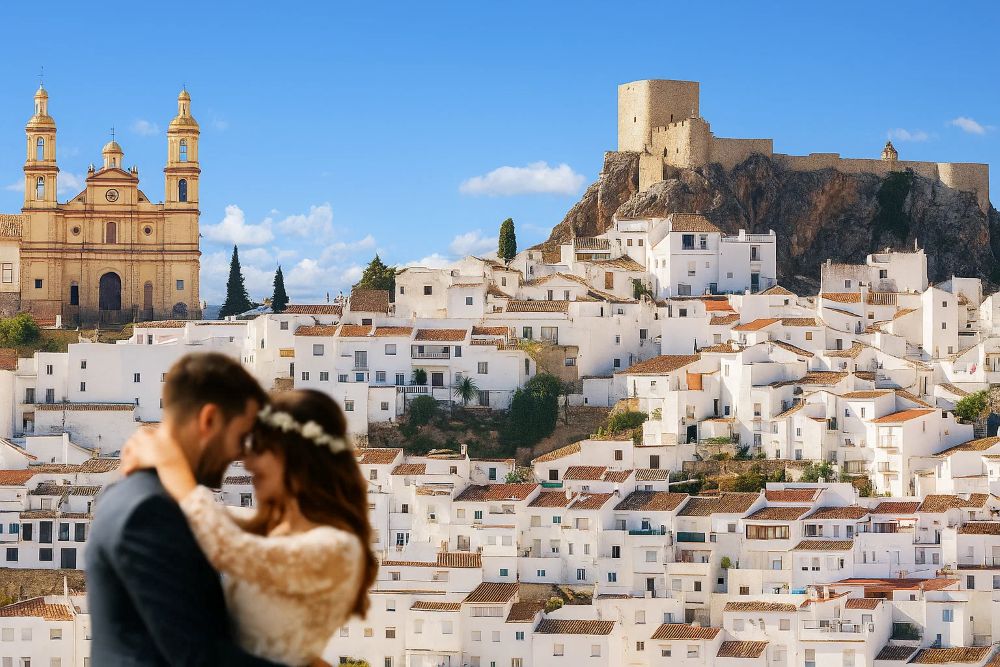
Religious weddings in Spain are a fascinating cultural mosaic where deep-rooted Catholic tradition and popular folklore come together. This combination of spirituality and age-old customs—such as the arras ceremony, the wearing of the mantilla and the throwing of rice—creates a unique atmosphere filled with symbolism.
Behind this iconic and majestic image, it is only natural to wonder what one of these weddings is really like from the inside. Ask us at That’s Amore and we will tell you that most couples today are looking for something deeply authentic and personal. Even so, the same question always comes up: “How does all of this work in practice?” The truth is that, although the internet is full of guides and step-by-step lists, the information often feels predictable, repetitive… even boring.
Nothing could be further from reality. Exploring these celebrations in depth means entering a world where heritage, emotion and symbolism intertwine and continue to evolve well into the 21st century. It is not about mechanically repeating rituals from grandparents to grandchildren, but about understanding that every small detail conceals a captivating story.
Why do religious ceremonies continue to appeal to so many couples?
In Spain, a religious wedding is much more than a formality. For most couples and their families, getting married in church is an act filled with commitment, spirituality and, above all, respect for their shared roots. Time passes and society changes, but religious weddings remain one of the most important family occasions.
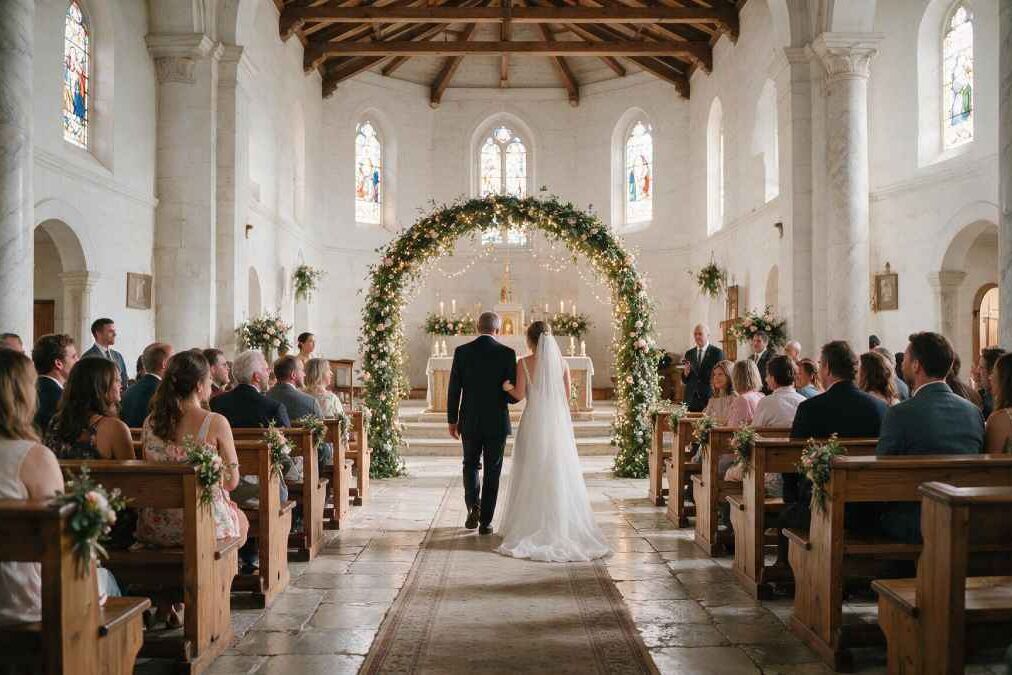
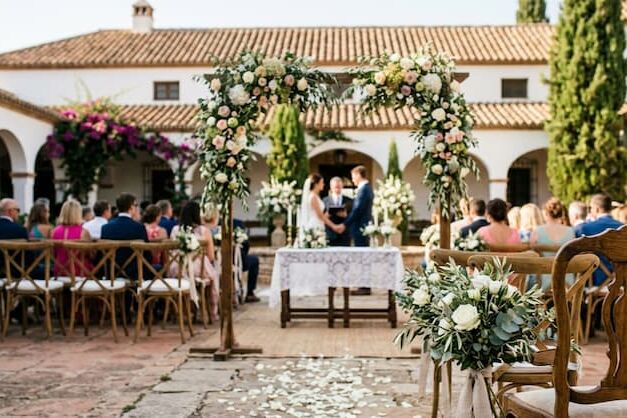
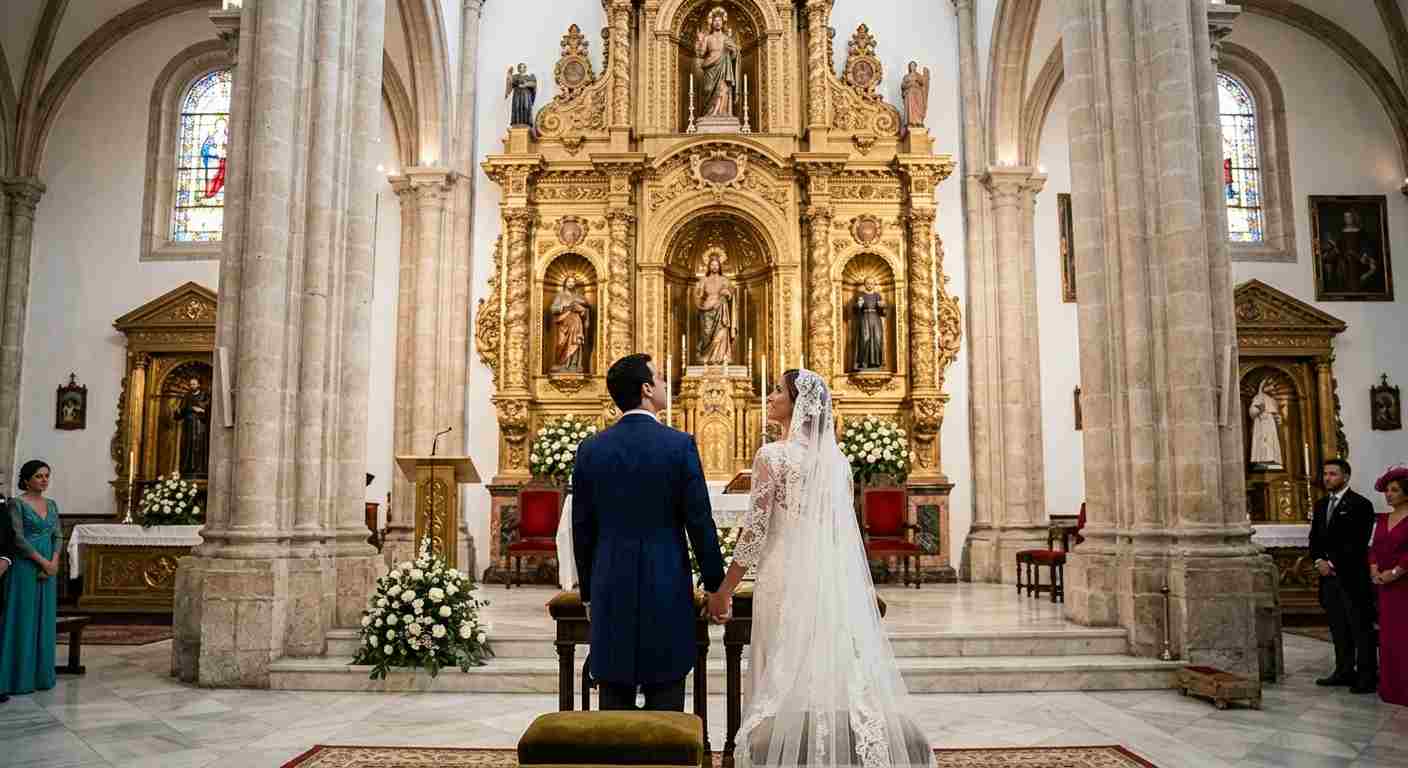
The setting changes everything. Who could fail to be impressed by the atmosphere of a basilica or cathedral filled with columns, frescoes and that magical, cinematic light? It is not merely the beginning of a life together; it is an unforgettable memory for both the couple and their guests.
That said, the church, the diocese and sometimes even the Vatican often enter the picture during the planning process. The protocols are fairly well established, but that does not prevent each couple from finding a way to add a personal touch to their special day. Are any two religious weddings in Spain exactly alike? It would be difficult to find them.
What role do the church and the priest play in a Spanish wedding?
The Catholic Church in Spain brings order, solemnity and a strong sense of community to every religious wedding. The setting and the people officiating—whether a priest, a deacon or even a bishop on special occasions—have a very clear role: to bless the union, of course, but also to support and guide the couple from their first meeting all the way to the long-awaited “I do.”
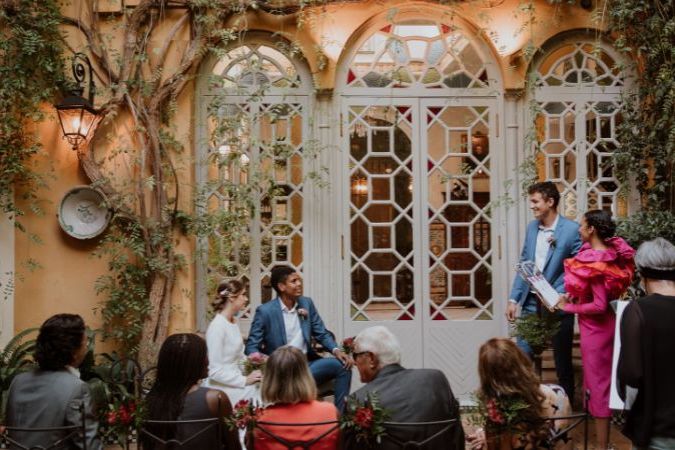
Couples normally meet several times with the priest from their parish. As well as explaining the structure of the ceremony—the well-known Spanish Misa de Velaciones, or nuptial Mass—the priest makes sure that the couple meets the requirements established by the Bishops’ Conference. Does that sound too strict? At heart, the aim is to create an atmosphere of trust.
Here is another important detail: the padrinos and madrinas, or wedding sponsors, are not merely decorative figures at a Spanish wedding. This is especially important to know when coming from abroad or planning an international wedding in Spain. They play a key role, accompanying the couple practically from the moment they enter the church until they reach the altar. There are no minor parts here!
How does traditional clothing shape the ceremony?
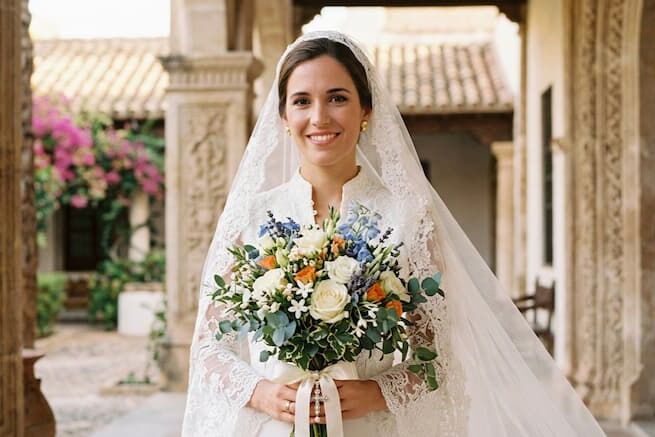
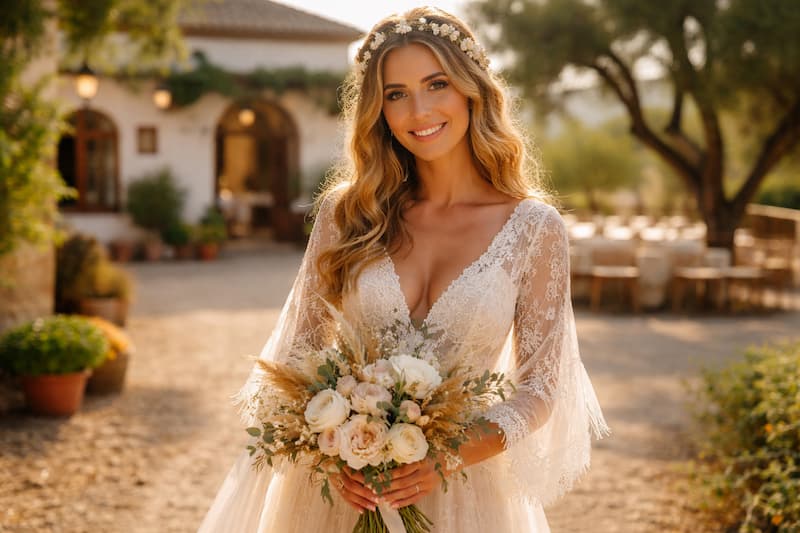
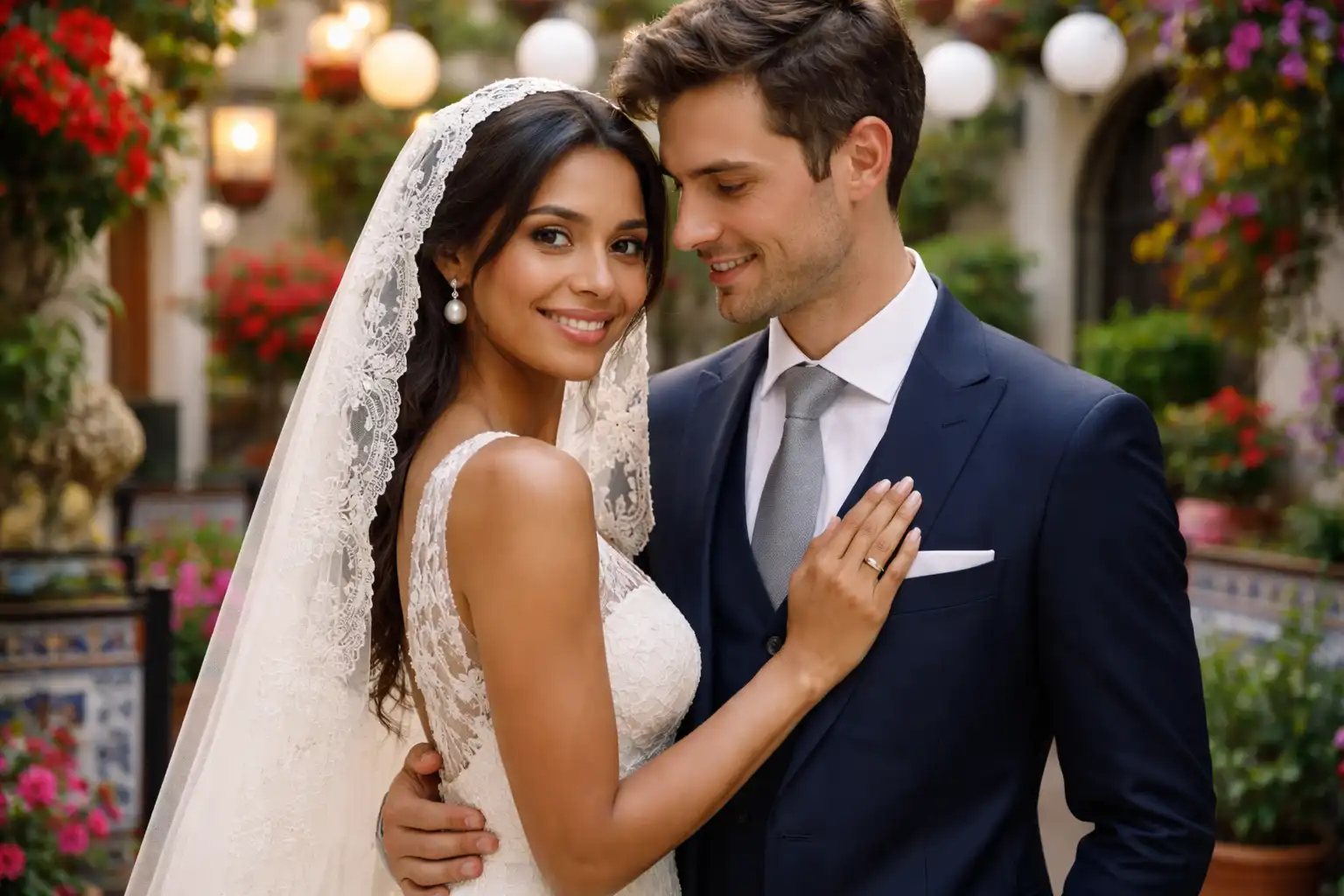
What people wear to a Spanish religious wedding is about much more than style. The bride’s dress is usually white, evoking purity, hope and light, but distinctly Spanish touches often appear, such as a lace mantilla and ornamental comb, or peineta. These are particularly common in cities such as Seville and Granada. It is amazing how a single accessory can completely transform a bride’s bearing.
The groom, dressed in a dark, classically cut suit, projects restraint and elegance. Depending on the region, he may choose something slightly more modern or bring back a traditional-style jacket. At particularly formal weddings, the chaqué, or morning coat, remains the undisputed king of menswear.
And what about the madrina? She is often the groom’s mother, and watching her enter in a mantilla and peineta is one of those quintessentially Spanish images that stays in the memory forever. That elegant “duel” between the madrina and the bride has survived every fashion trend and continues to create unforgettable moments.
What is the meaning of the lasso ritual and symbolic union?
At many Spanish Catholic weddings, especially in the south and in areas where the family always takes centre stage, there is a special place for the wedding lasso ritual. Have you heard of it? It is as simple as it is beautiful: the wedding sponsors place a cord, ribbon or rosary over the newlyweds’ shoulders, symbolising their unbreakable union and the protection of their marriage. Is it not incredible how a single bond can say so much without words?
The ritual is not practised in every diocese, but this deeply emotional tradition is making a comeback in many places—including weddings involving expat couples. It is usually accompanied by a few moving words from the priest, making it one of the most photographed moments alongside the kiss and the exchange of rings.
Beyond the lasso, each region has its own special touches. In Valencia and Barcelona, the wedding sponsors often present a gold cross, while Granada still preserves the tradition known as the laudo, a special symbol of protection.
Why is the exchange of rings so important?
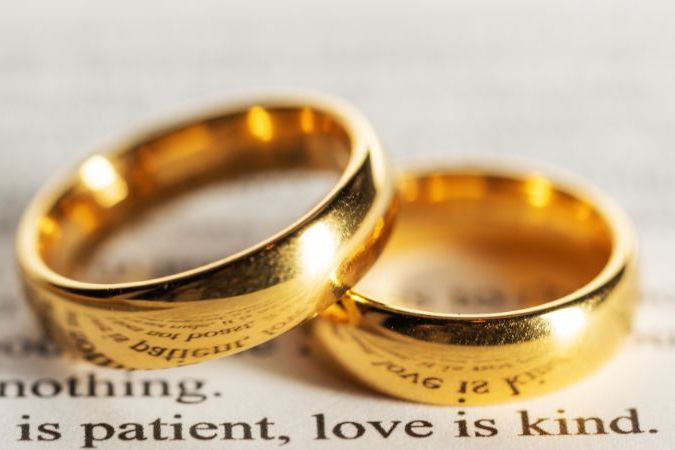
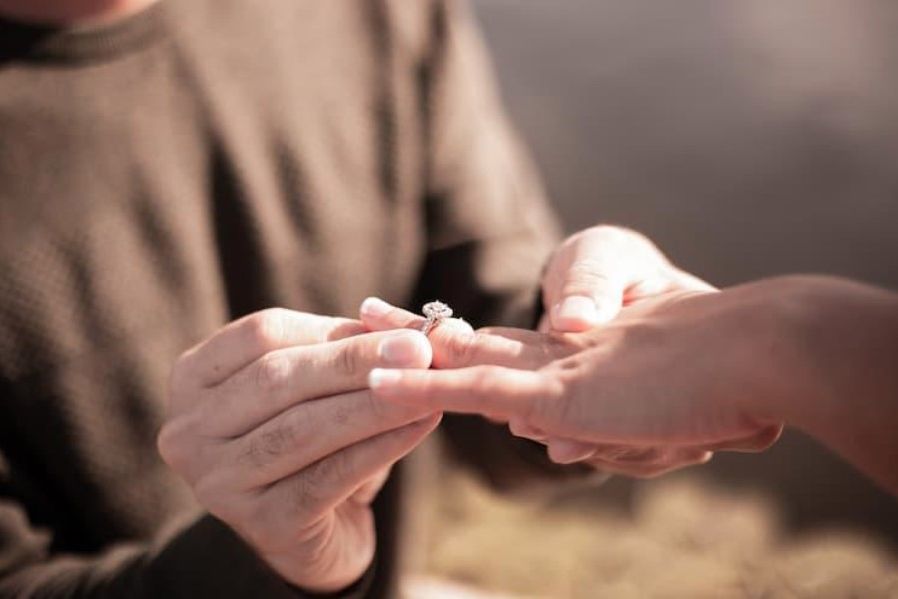
The exchange of rings—the moment everyone waits for with their phone at the ready—represents commitment and eternity before the eyes of the church and the entire family. Yet if there is one feature that truly distinguishes weddings in Spain, it is the arras. Have you heard of them?
What are the arras, and why are they so significant?
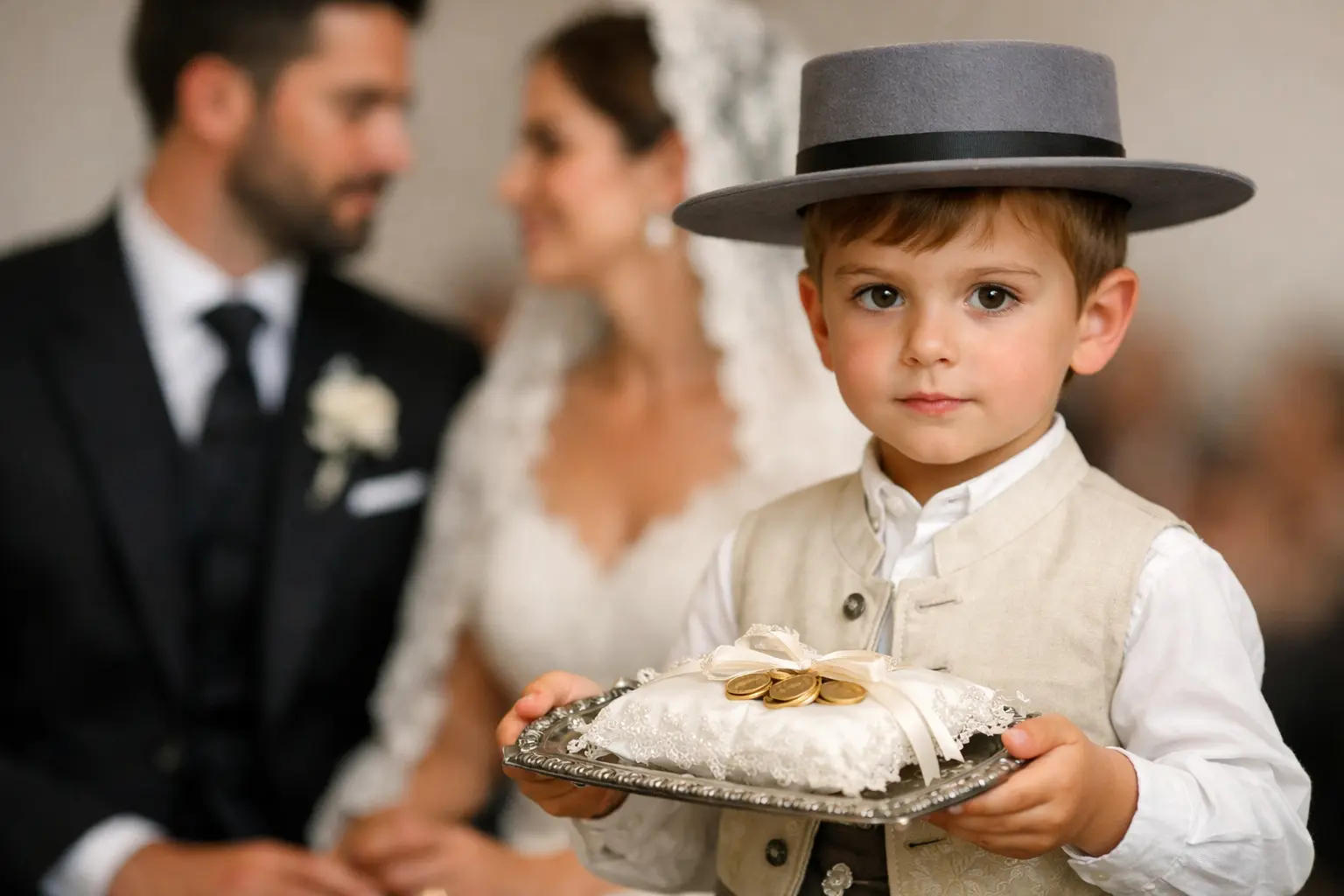
The arras are thirteen coins—not twelve!—that the groom gives to the bride, making it clear that trust and prosperity will be shared, whatever happens. The custom dates back a very long way, to the Visigothic period, although the Church has given it its own meaning over the centuries.
The coins are often made of gold or silver and passed down from one generation to the next. It is therefore not unusual for them to hold the stories and memories of several family weddings.
During the ceremony, the wedding sponsor hands the arras to the groom, reinforcing the bond between past, present and future.
Is it not touching to think that a few simple coins can preserve so much tradition and family affection?
What role do music and religious hymns play in the ceremony?
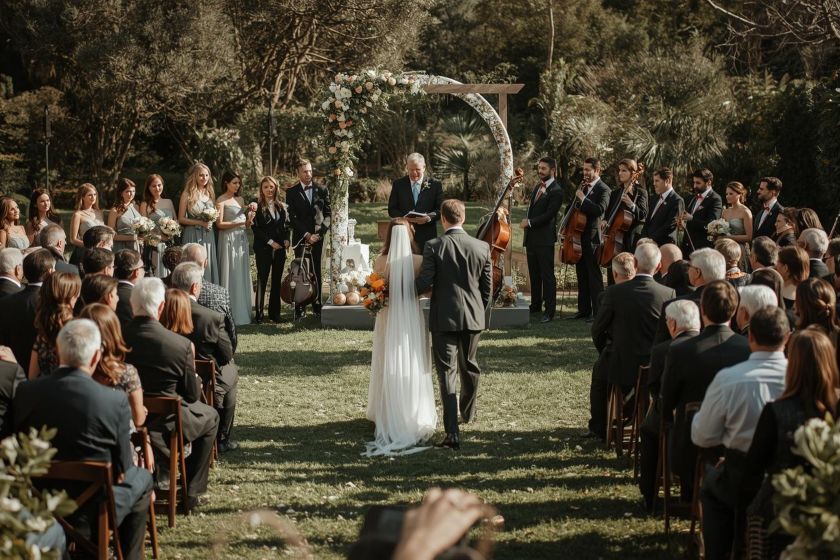
A religious wedding in Spain without music would be like a film without a soundtrack. The bride’s entrance, always one of the most emotional moments, is usually accompanied by an organ or string quartet. There is something magical about hearing the Ave Maria echo through the heights of a cathedral, is there not?
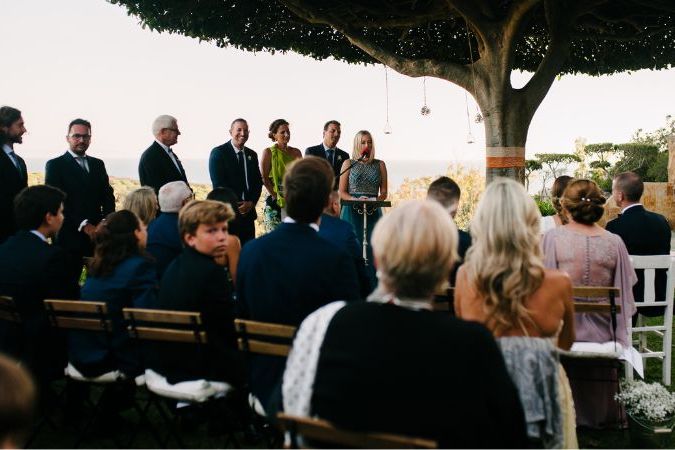
Music accompanies the ceremony, but it also highlights each moment and heightens its spiritual meaning. The couple and the priest choose the hymns together, striking a balance between tradition and a more modern touch that reflects the couple’s personality.
In places such as Seville, the local musical identity finds its way into the ceremony. You might hear a classical guitar or even a few notes of flamenco. The ceremony thus becomes a sensory experience that no one forgets.
How is the church exit celebrated: petals, rice and something more?
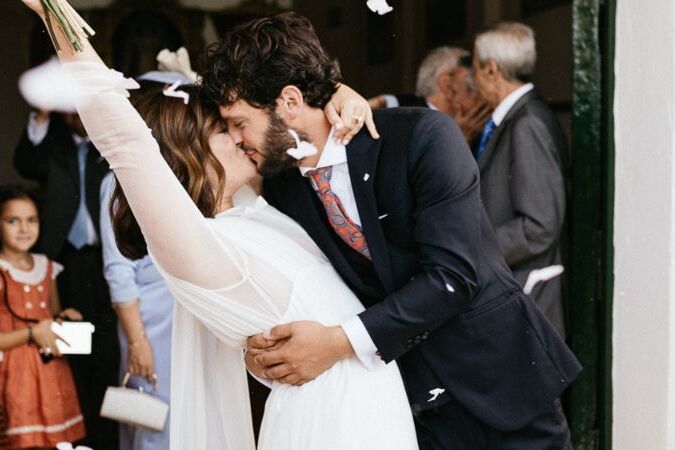
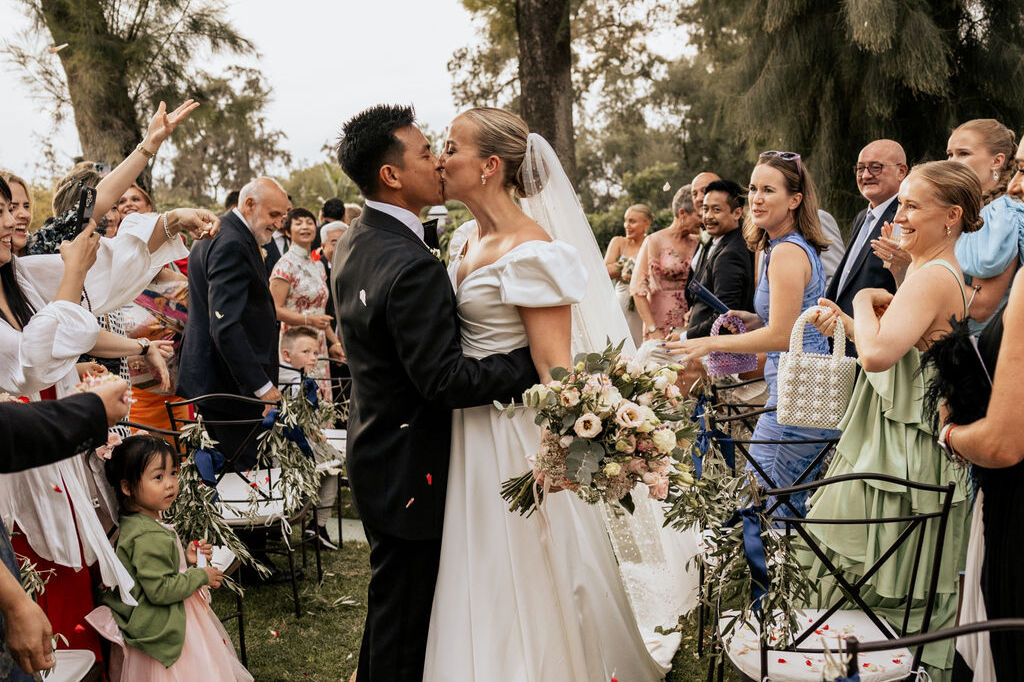
Then comes the most carefree moment: the newlyweds’ exit. Friends and relatives are waiting by the church door with baskets of rice, flower petals or biodegradable confetti. Rice symbolises fertility and prosperity, and every handful thrown is like a small wish for the new couple.
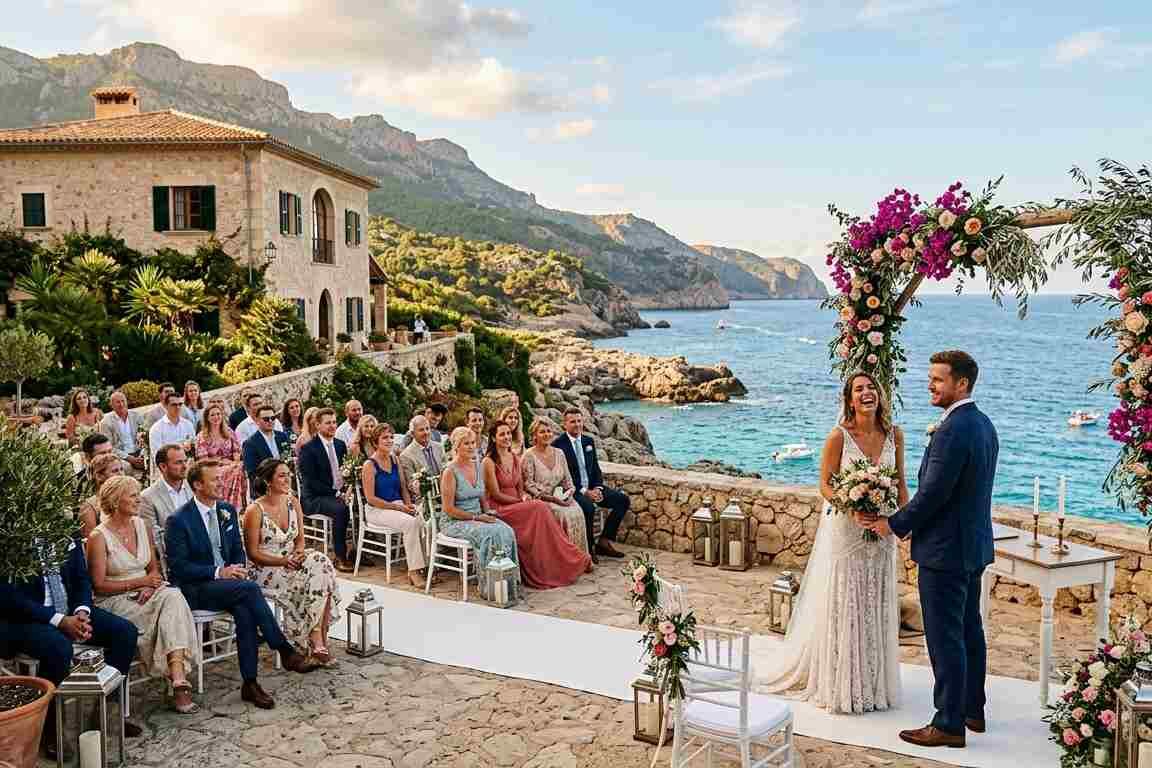
Petals and bubbles are becoming increasingly popular, especially in more environmentally conscious destinations such as Barcelona, Mallorca and Marbella. They help avoid a major clean-up without taking away from the visual effect or the joy of the occasion.
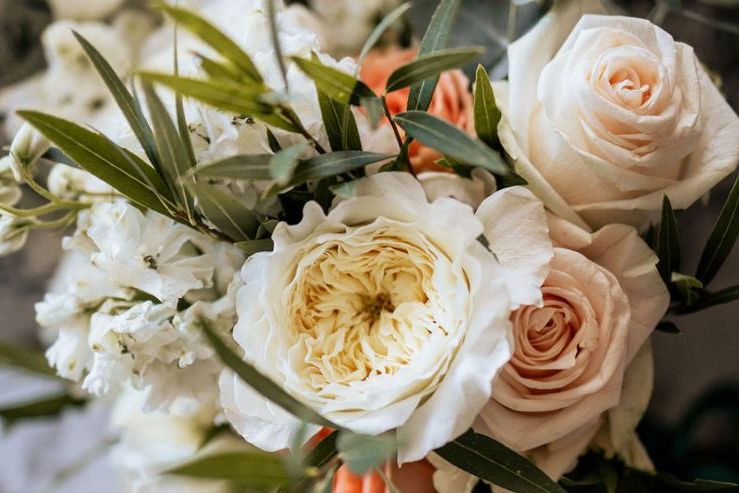
Let us not forget the bridal bouquet. Soon after leaving the church, the bride often throws it to her unmarried friends, adding a playful and somewhat less religious touch that remains indispensable because of the excitement it creates.
Why do the meal and the party remain the perfect finale to every Spanish religious wedding?
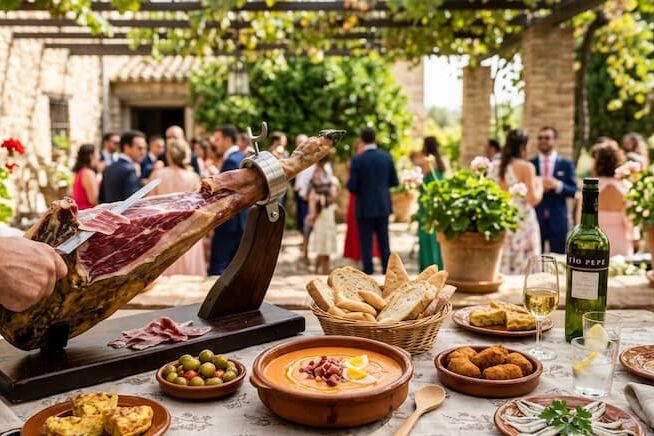
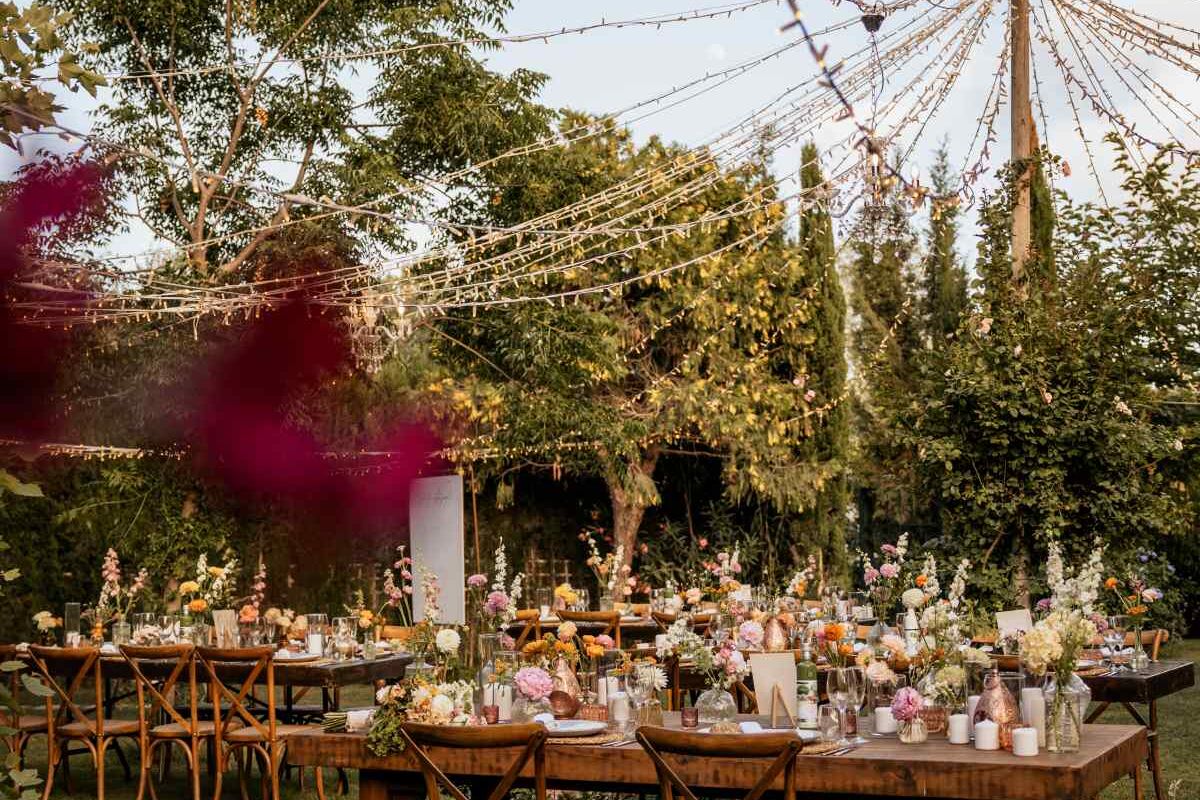
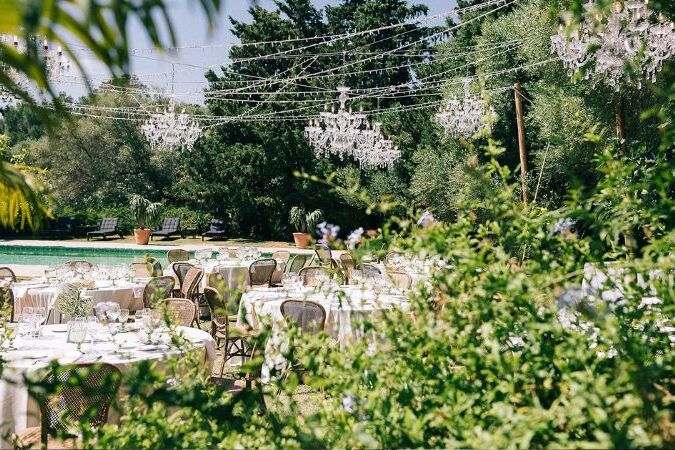
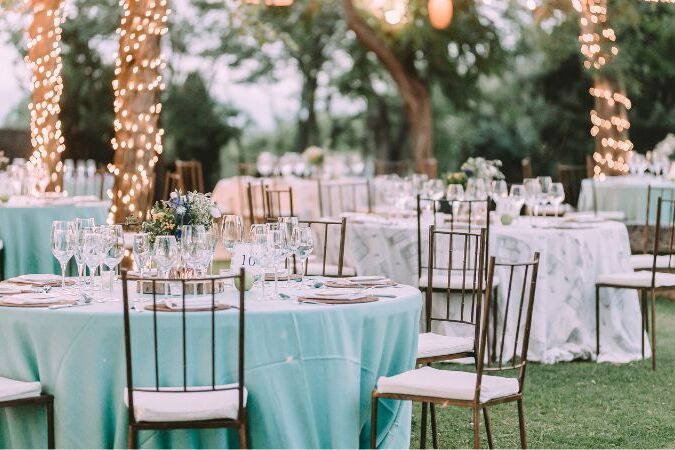
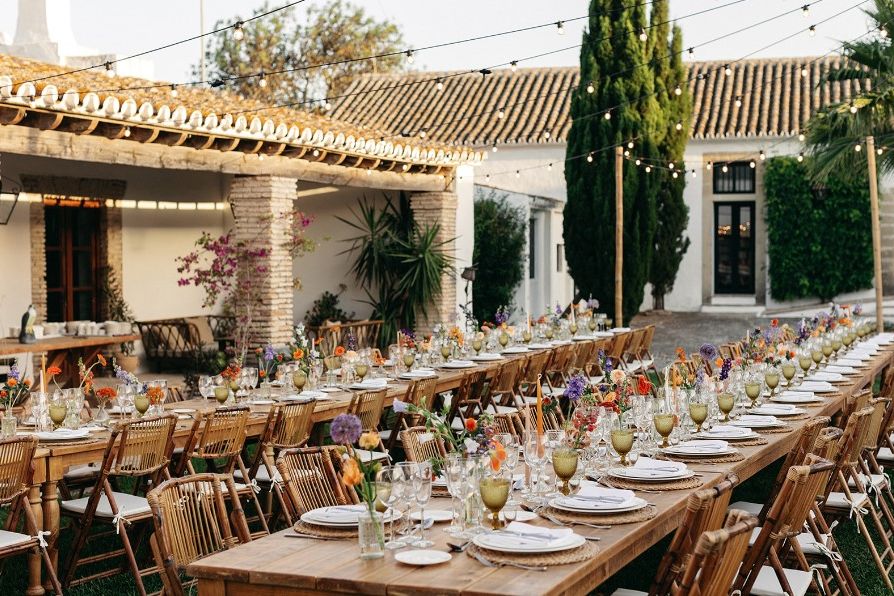
Let us be honest: one thing everyone understands in Spain is that a religious wedding does not end with the ceremony. The real celebration begins with the meal and the party. Long banquets, lively conversations after lunch or dinner and the relaxed atmosphere around the table bring families and friends together like nothing else.
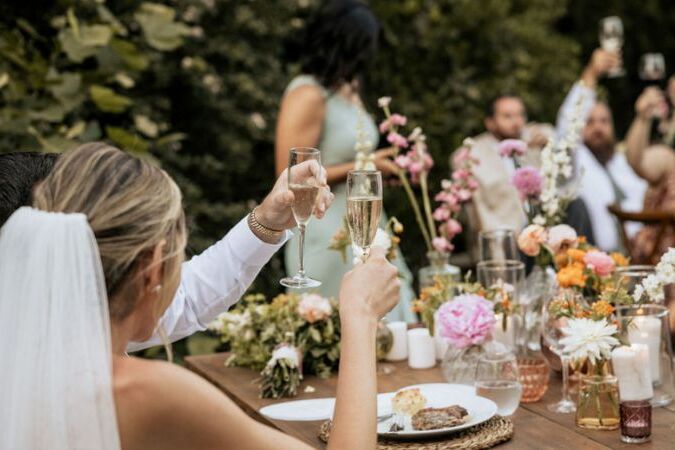
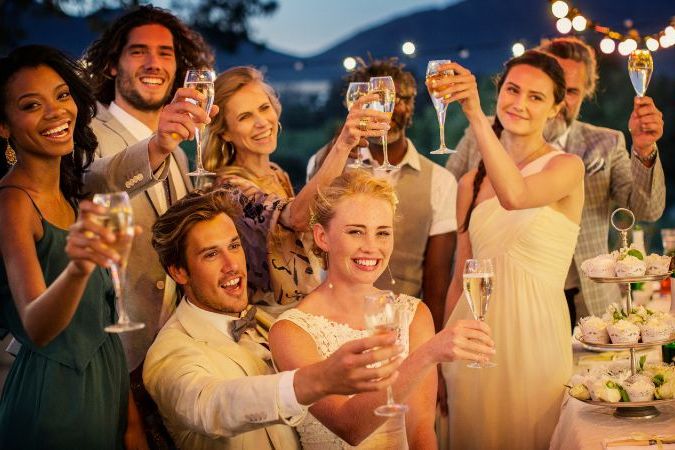
Today, the trend is to combine tradition with a touch of modern extravagance. On the Costa del Sol or in Valencia, a classic menu may be complemented by international dishes or a nod to contemporary cuisine. The wedding cake and the toast with cava, however, remain untouchable. The art of celebrating is in our blood, is it not?
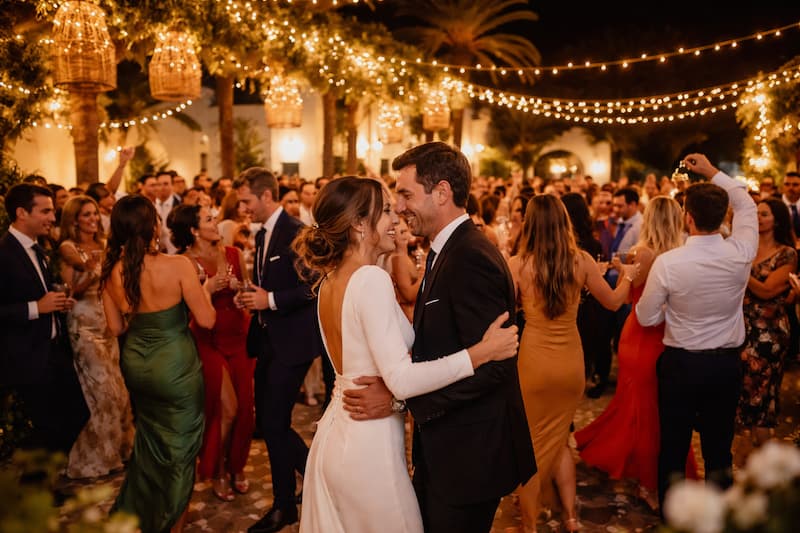
The banquet marks the beginning of the real party: impromptu speeches, dancing that continues late into the night and cultural touches that vary depending on the location, such as a flamenco group in the south or a jazz band in Barcelona or Granada.
Are there different traditions across Spain’s regions?
With so much cultural diversity in Spain, it would be strange for every religious wedding to be the same. In Galicia, for example, it is traditional to bless bread and wine, while in Mallorca processions featuring the local image of the Virgin Mary give the celebration its own distinctive character. It is fascinating how a single tradition can have thousands of different versions.
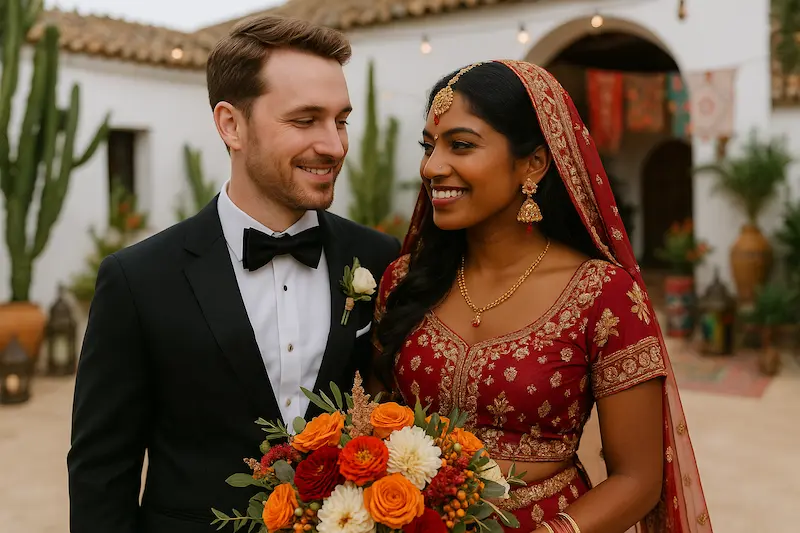
In the Valencian Community, the sound of the dolçaina and tabalet, traditional wind and percussion instruments, can be heard during Mass. In Andalusia, the white mantilla takes pride of place from beginning to end. On the Costa del Sol, international influence sometimes makes a wedding feel like a miniature gathering of nationalities, with couples from abroad incorporating customs of their own.
Can you imagine witnessing a human tower built by castellers after a ceremony in Catalonia? It is undoubtedly one of those experiences that blends celebration with solemnity.
How do culture and religion influence modern Spanish Catholic weddings?
Today, a religious wedding in Spain strikes a balance between tradition and adaptation. The basic structure remains more or less unchanged because of the Church’s influence, but couples now add their own personal touches, particularly when one of them comes from abroad. Combining their roots with an international flavour seems to be part of the secret, does it not?
Bilingual ceremonies, personalised readings and music adapted to the couple’s own story are becoming increasingly common. The Church has also become more open to different circumstances, allowing deacons to take part and accommodating interfaith marriages. As a result, there is far more flexibility than there was in the past.
Even so, some symbols and rituals are cherished even by the most “modern” couples. The result is an inclusive, richly layered and, above all, characterful experience.
|
Tradition |
Meaning / symbol |
Main region or context |
| Misa de Velaciones | Blessing and sacrament of marriage | Throughout Spain |
| Arras | Sharing wealth and prosperity | Widespread, with local variations |
| Wedding lasso | The couple’s unbreakable union | Southern and central Spain |
| Mantilla and peineta | Tradition, elegance and purity | Andalusia, Madrid and Granada |
| Throwing rice | Wishes for abundance and fertility | Throughout Spain |
| Bridal bouquet | Luck and happiness for the next woman to marry | Throughout Spain |
| Organ or classical music | Solemnity and spirituality | Basilicas and major cathedrals |
| Banquet and party | Celebrating the joy of the union | Throughout Spain |
What makes religious weddings in Spain unique?
The most fascinating aspect of Spain’s religious wedding traditions is their ability to take centuries of history and turn them into something alive—something that connects the sacred with the festive, and family with individuality. You may never have stopped to think about it, but attending a Spanish wedding is like opening a family’s storybook: every gesture and every detail has something to tell and, above all, the power to move people.
At That’sAmore, we see it every season: however often certain rituals are repeated, no two weddings are ever alike. Who could resist becoming part of a story like that, whether they are from Spain or have travelled from the other side of the world dreaming of an unforgettable destination wedding?
In the end, the rules and paperwork are not what truly matter. What matters is how each couple shares, reinvents and enjoys every moment with their loved ones, honouring their roots and celebrating love with genuine joy.