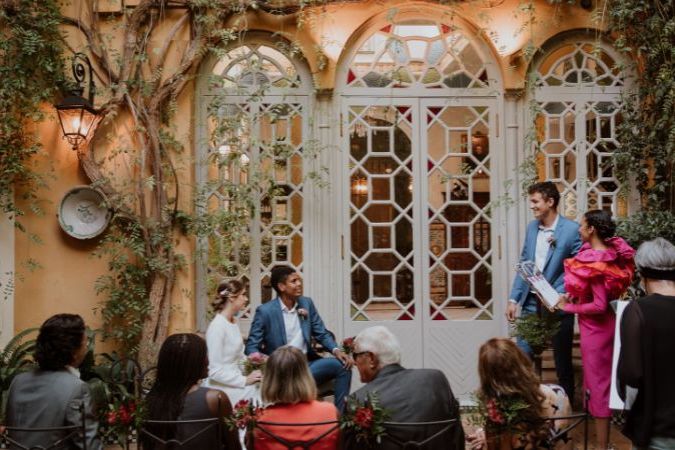
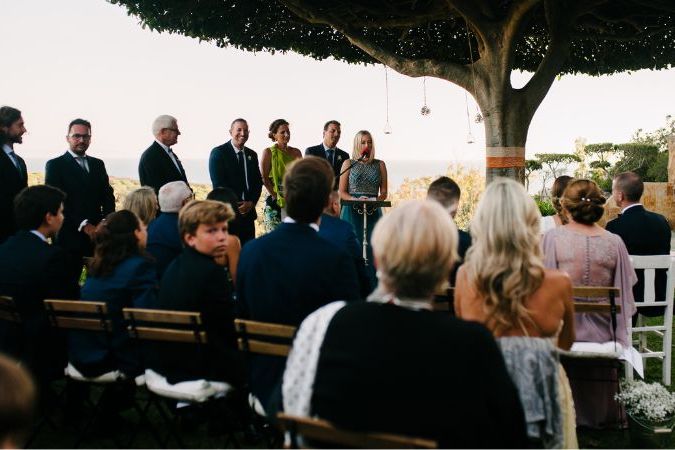
Have you ever stopped to wonder why weddings in Spain have that “something” that feels so genuine and special? Many couples want their wedding day to be unforgettable, but they often end up lost among a thousand options. Spanish traditions have the power to move people, connect generations, and, above all, leave every guest with unique memories.
Do you have a different kind of wedding in mind, but you are not quite sure which customs to keep and which to adapt to your taste? Here, we guide you through 10 Spanish wedding traditions that are well worth considering. Some will make you smile, others may surprise you. What is certain is that all of them can turn any wedding into a celebration to remember. Did you know, for example, where the arras ceremony comes from, or why the bride’s bouquet carries so much symbolism? Keep reading and let yourself be surprised. You might discover exactly the detail that will make your big day magical.
Why is the bride kept secret before the ceremony?
Keeping the bride’s look a secret before the wedding is one of those traditions that seems designed to give both the couple and the guests butterflies.
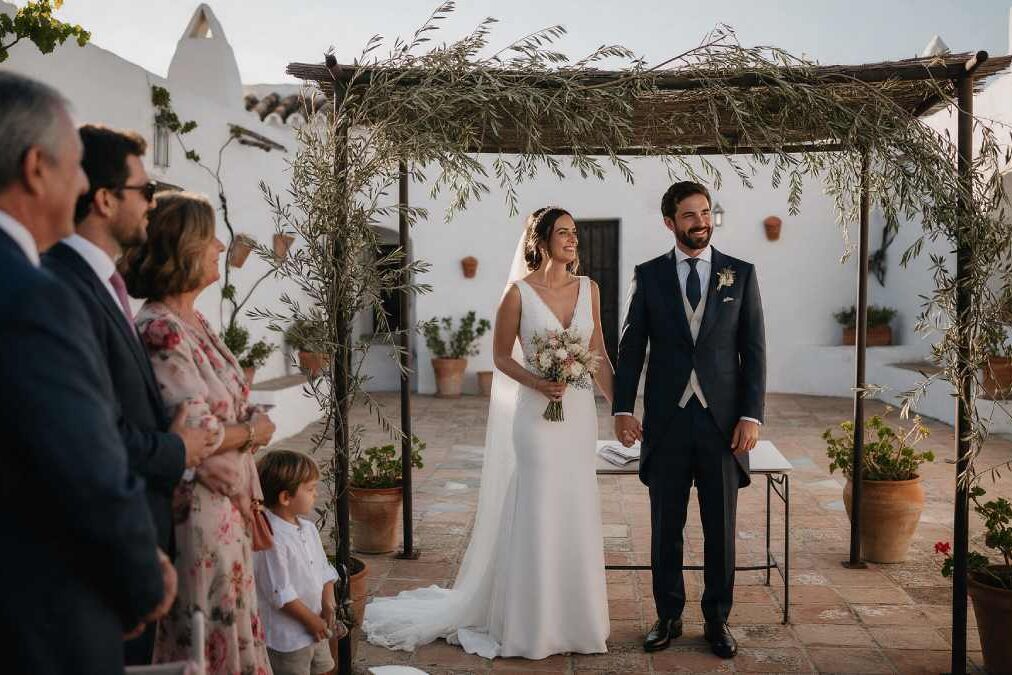
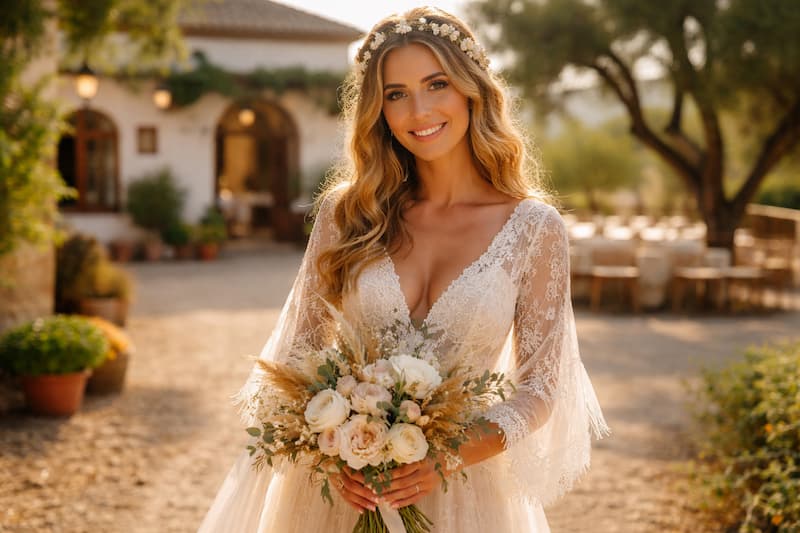
At most Spanish weddings, there is one moment everyone awaits with a mix of nerves and excitement: the bride’s arrival. Have you heard that seeing her before the ceremony brings bad luck? Beyond superstition, there is something romantic about that suspense. In fact, it is the perfect excuse to add even more emotion to that first encounter. That “wow” from the partner when they see the bride for the first time is never forgotten.
This tradition is experienced with particular intensity in regions such as Andalusia or Galicia, where the family becomes the true guardian of the secret until the very last minute. If you decide to embrace the challenge, you are guaranteed a unique moment, full of magic and with a powerful emotional impact as you walk toward the altar.
Keeping this mystery also gives brides unforgettable hours of preparation, surrounded by their closest loved ones, with the godmother, maid of honor, or closest friends creating an atmosphere filled with laughter, emotion, and nerves. Choosing the secret is not just a tradition: it is a simple way to add a little more excitement to the beginning of your story together.
What is the meaning of the 13 coins ceremony, known as the arras?
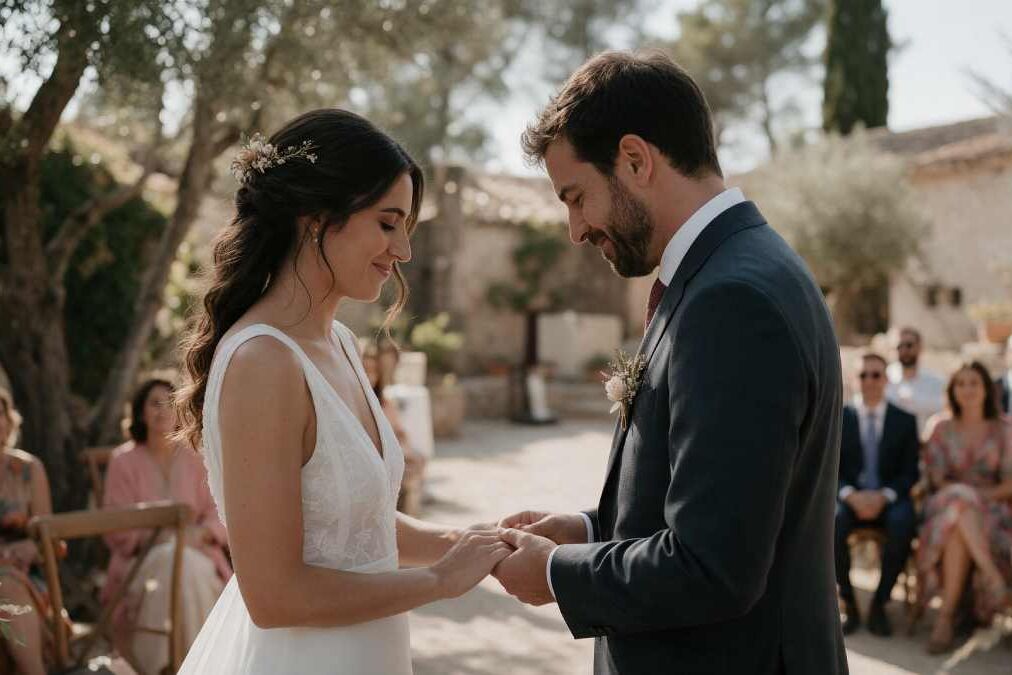
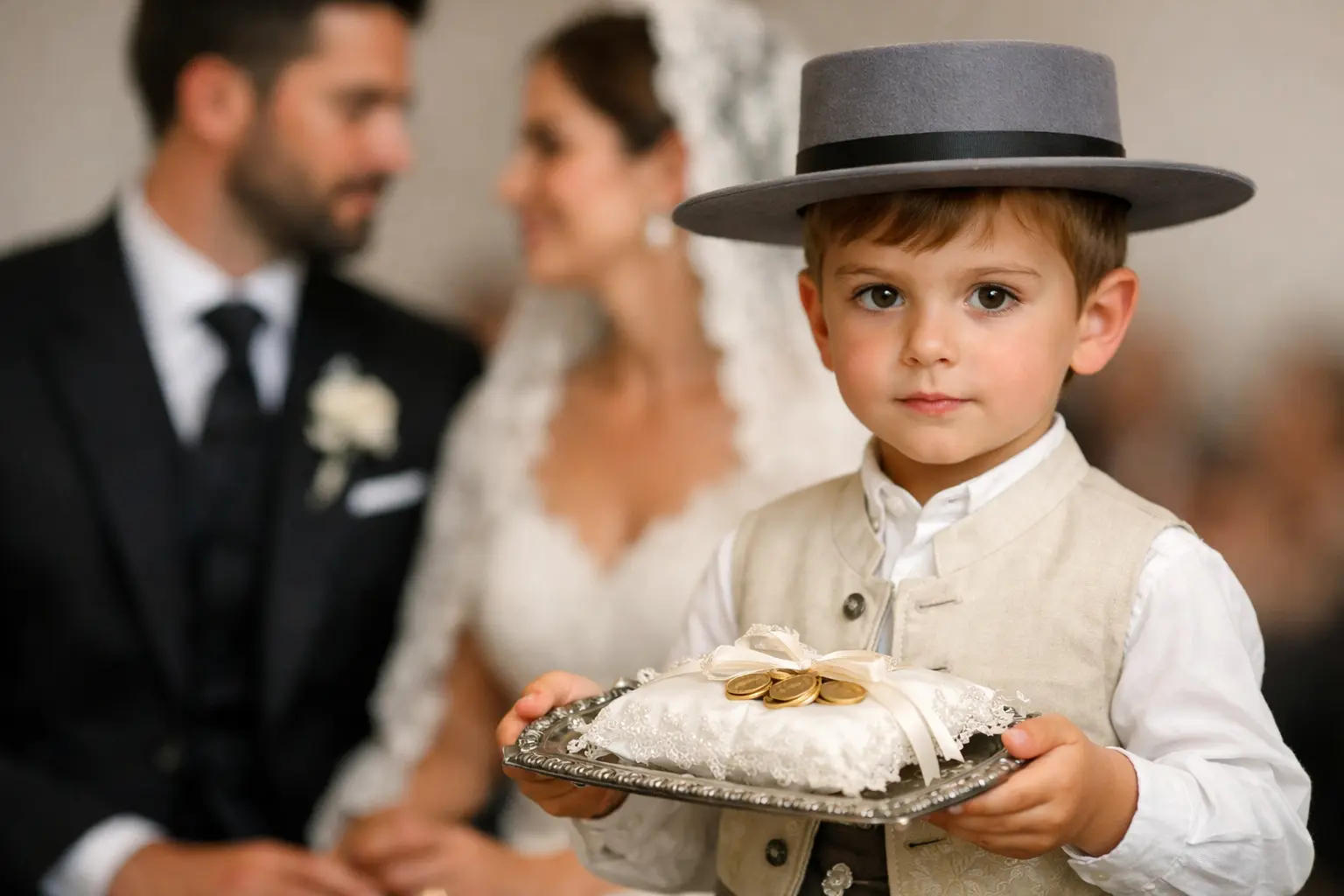
The tradition of the 13 arras coins may sound like an old ritual, but it actually carries a lot of meaning. This small gesture represents the couple’s commitment to care for each other, share, and prosper together.
During the ceremony, whether religious or civil, the best man, godparent, or chosen loved one gives the bride or groom thirteen coins, usually made of gold or silver. And the number thirteen is not random: each coin represents a month of the year, while the last one is said to symbolize the wish for good luck and prosperity for both.
The beautiful thing about this tradition is that, although it comes from ancient Hispania, it is still alive today, adapting according to the region or the style of the wedding. In the Valencian Community or the Basque Country, for example, local details may be added to give it a very personal touch. Do you already know who you would like to give you the arras?
Despite its simplicity, the arras ritual has the power to bring solemnity and warmth to the ceremony, reminding everyone of the true meaning of commitment.
Why is the role of the bride’s father so important in the ceremony?
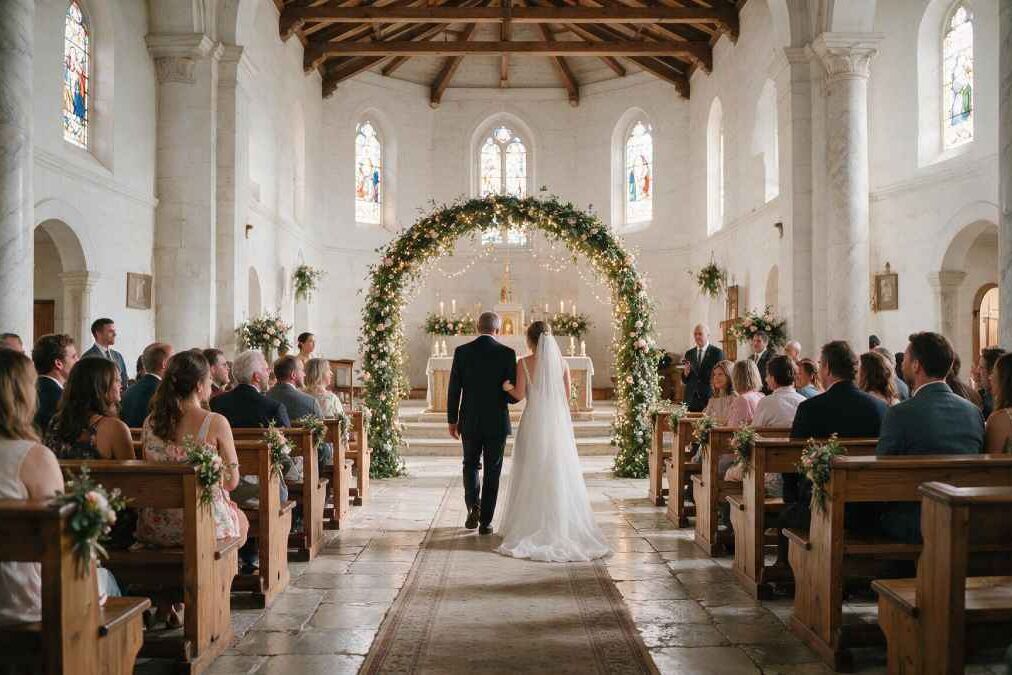
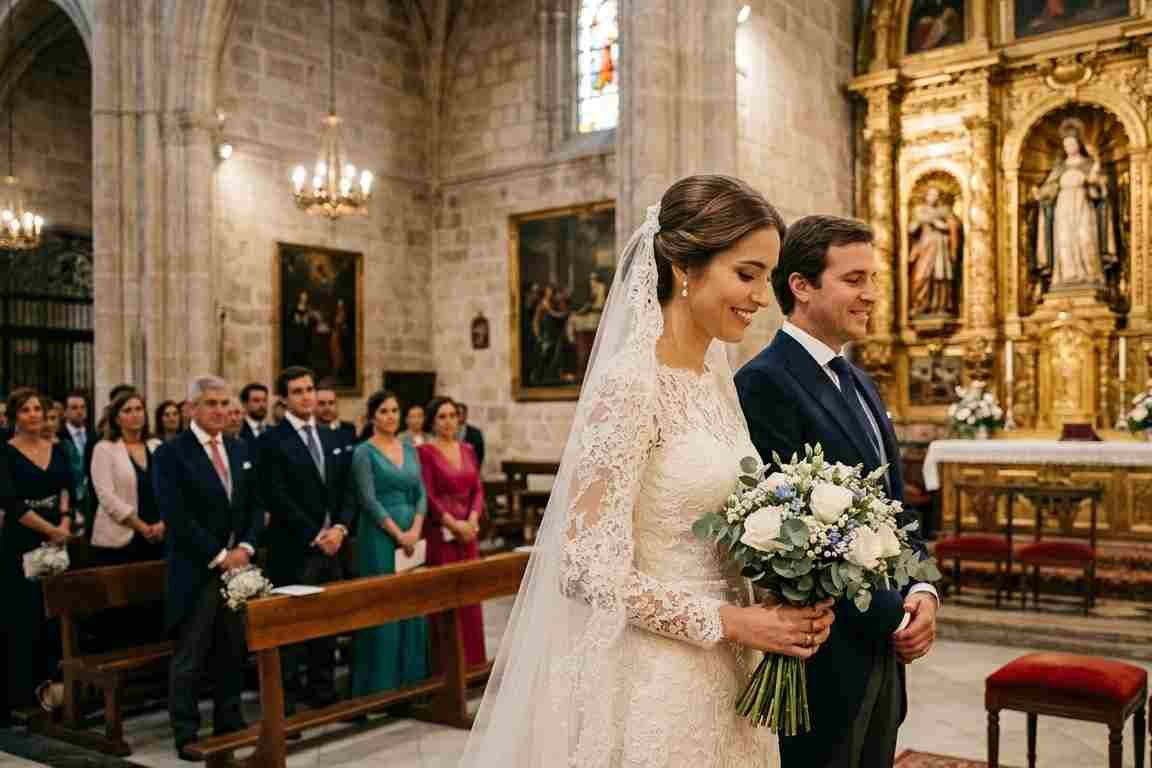
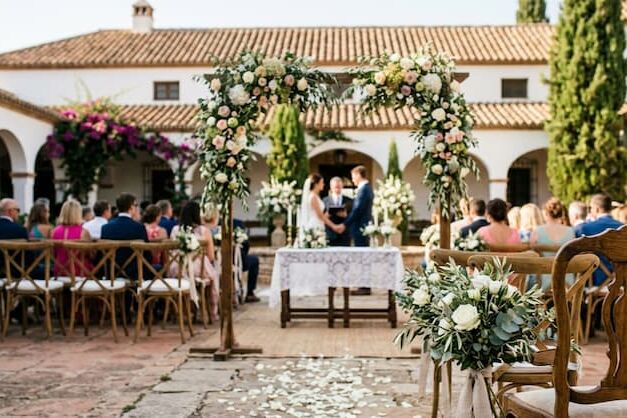
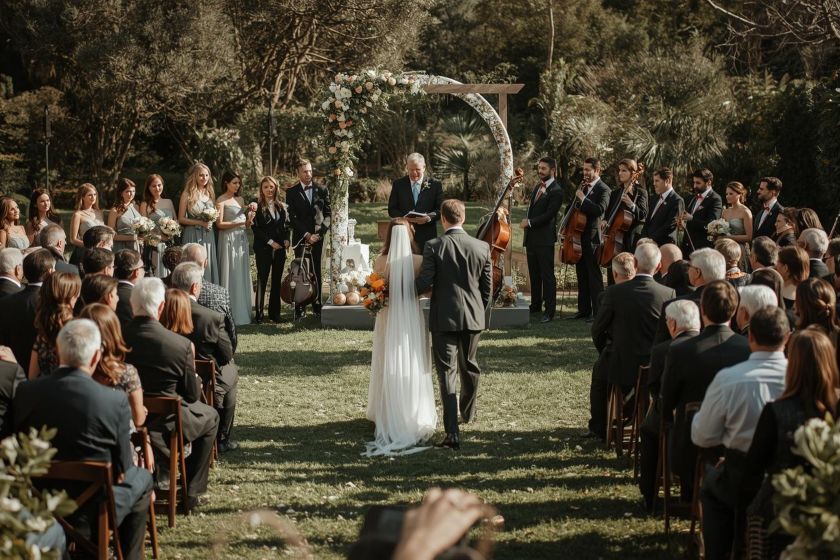
One of the most typical images of Spanish weddings may be that of the father walking his daughter toward the altar — and it is not just a beautiful photo. It is a moment full of meaning, affection, and support.
That walk toward the altar, whether in a religious or civil wedding, is experienced with raw emotion. For many families, it is a kind of symbolic “giving away” that marks the end of one stage and the beginning of another. And although couples reinterpret the tradition nowadays, it remains one of the most intense and emotional moments of the day. You can probably picture the tears, nervous smiles, and knowing looks, right?
The father is not the only person who can play a leading role. In more modern weddings, or depending on the region, the godmother or another meaningful person may also accompany and share that special moment, balancing tradition with the present day. In the end, it is all about creating the moment that makes the most sense for your story and your family.
What customs are linked to the traditional dress and accessories?
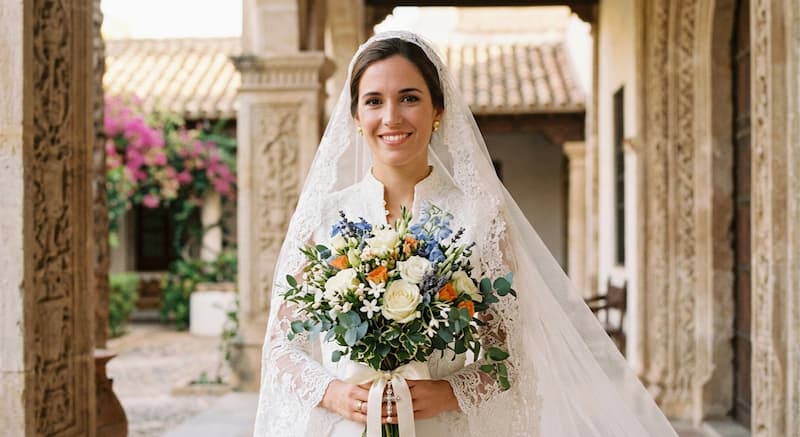
Choosing the wedding dress is not simply about picking a beautiful design. Behind every accessory are traditions full of meaning, honoring family history and the couple’s roots.
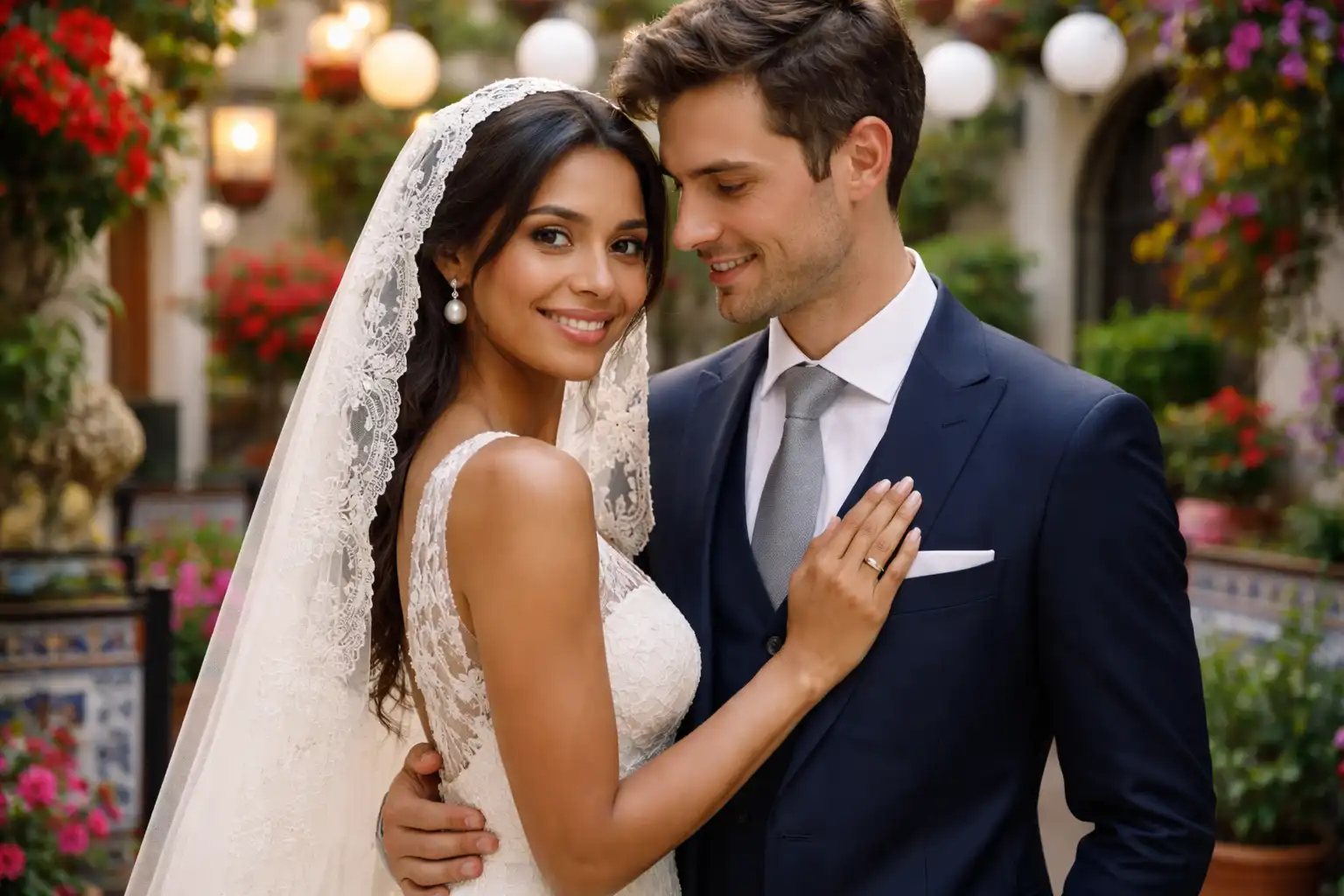
In the south, the Andalusian mantilla often steals the spotlight, while in Galicia or Catalonia, the veil and hand embroidery take center stage. Do you see yourself with a more classic style, or are you ready to try something different?
As for accessories, you have surely heard of wearing something new, something old, something borrowed, and something blue. This ritual is not only fun, but also full of good wishes:
- Something new: symbolizes the step toward the future.
- Something old: connects you with your roots and family past.
- Something borrowed: shared happiness, borrowed from loved ones.
- Something blue: fidelity and sincere love.
Between laughter and the occasional headache trying to check off every detail, these small gestures often become the ones people remember most. You can reinterpret them and make them your own without losing that charming nod to tradition.
How are music and typical dances experienced at Spanish weddings?
If you can imagine a Spanish wedding without music… then you have probably never been to one. Rhythms, dancing, and the festive atmosphere are at the heart of every key moment.
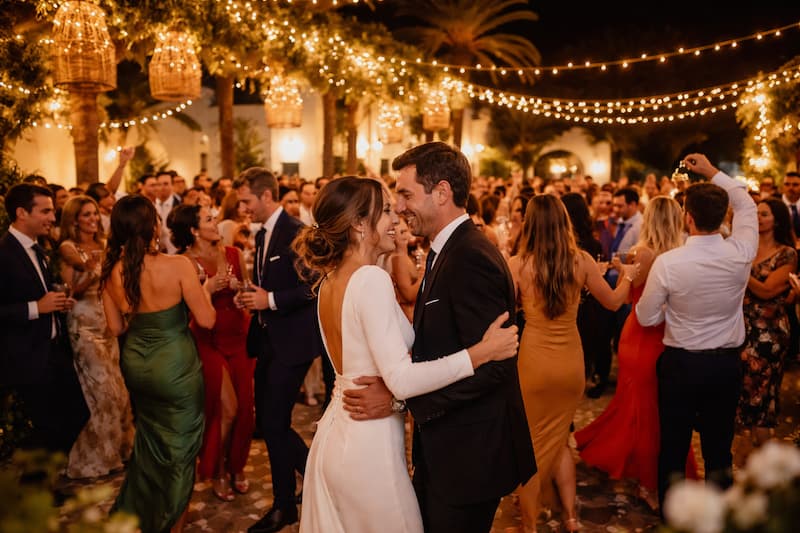
From the end of the ceremony to the final toast, music accompanies the celebration and gives it rhythm. In Aragón, the jota is a must; in Andalusia, rumba gets everyone dancing; and every couple chooses their song for that much-awaited first dance. Do you already have yours?
The wedding dance is the icing on the cake. Some couples surprise guests with modern choreographies, while others bring back traditional dances, getting family and friends out of their seats. In the end, what matters is letting go and enjoying the moment.
In some regions, such as Catalonia or the Basque Country, live music is often favored, from folk groups to bagpipers, adding even more personality to the atmosphere. If you are looking for moments that stay etched in everyone’s memory, well-chosen music never fails.
How important are traditional food and drinks?
Let’s be honest: few things are remembered at a wedding as much as the banquet. In Spain, gastronomy is a true tribute to the land and to good company.
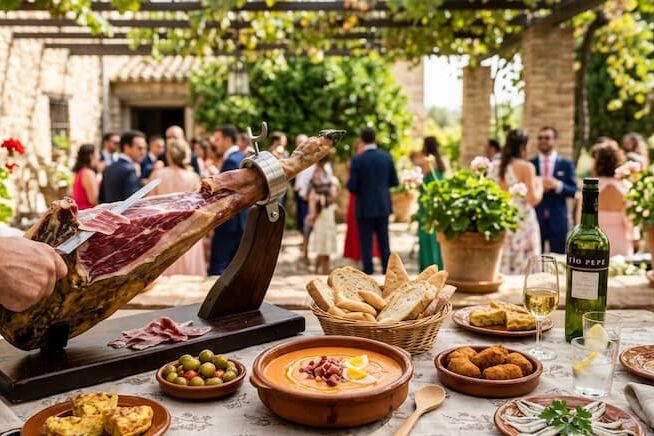
From classic Iberian ham to Galician seafood, Valencian paella, or Catalan sweets, celebrations usually leave guests with both full stomachs and happy hearts. Who would not want to try a little bit of everything?
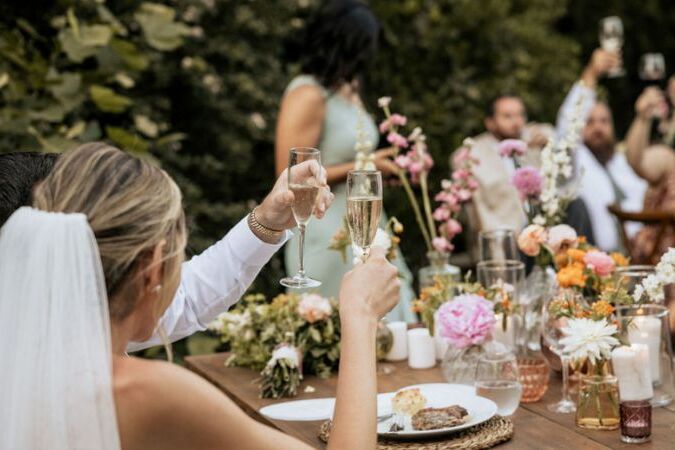
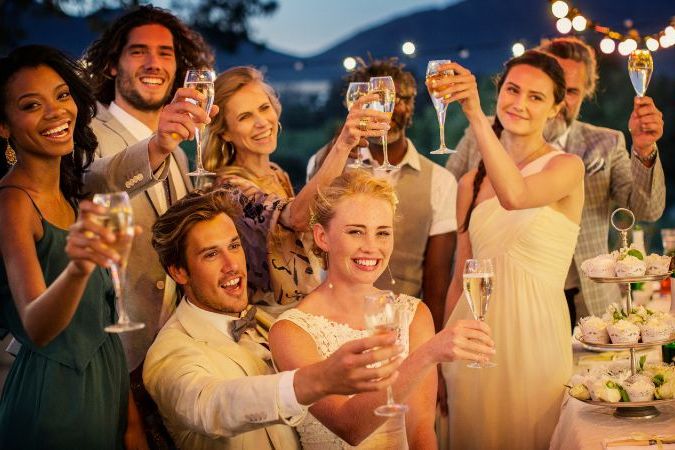
Spanish tables are always generous: appetizers, main courses, local wines, and that wedding cake everyone is eager to taste. And watch out for the toasts, as they often mark the beginning of the real party. It is typical for the best man, godmother, or any friend with a gift for speaking to give a speech full of laughter and emotion.
Personalizing the menu is a wonderful way for your wedding to speak about you, your roots, and the stories you share with your loved ones. After all, who has not heard someone say they never forgot the food at a special wedding?
How do decoration and symbolic elements influence the ceremony?
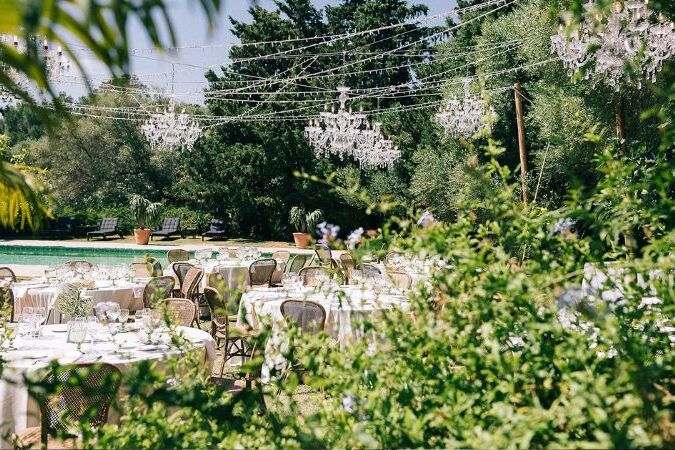
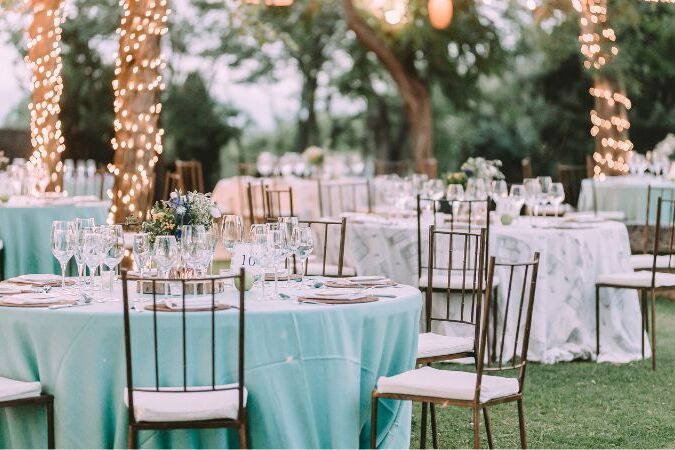
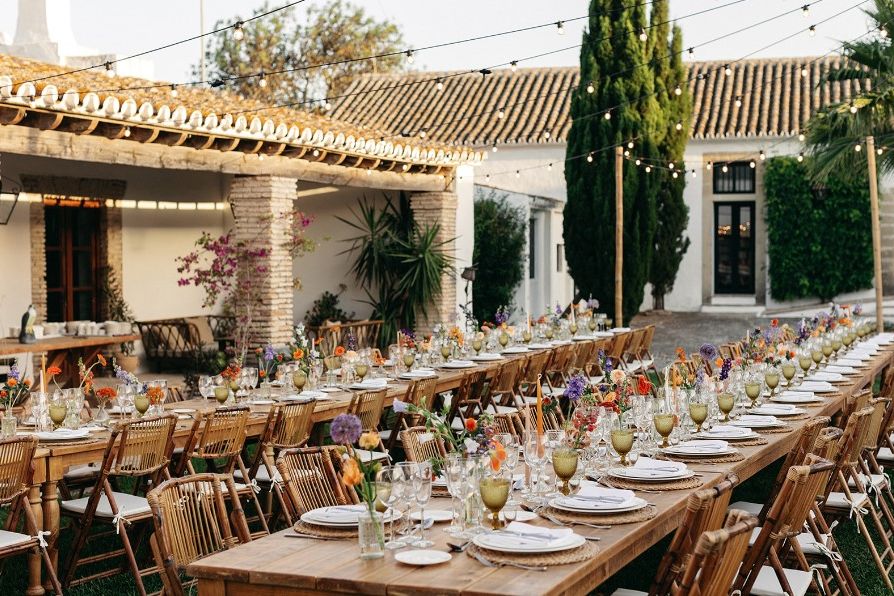
Wedding decoration is not just about aesthetics: every detail says something about the couple, their homeland, or their wishes for the future.
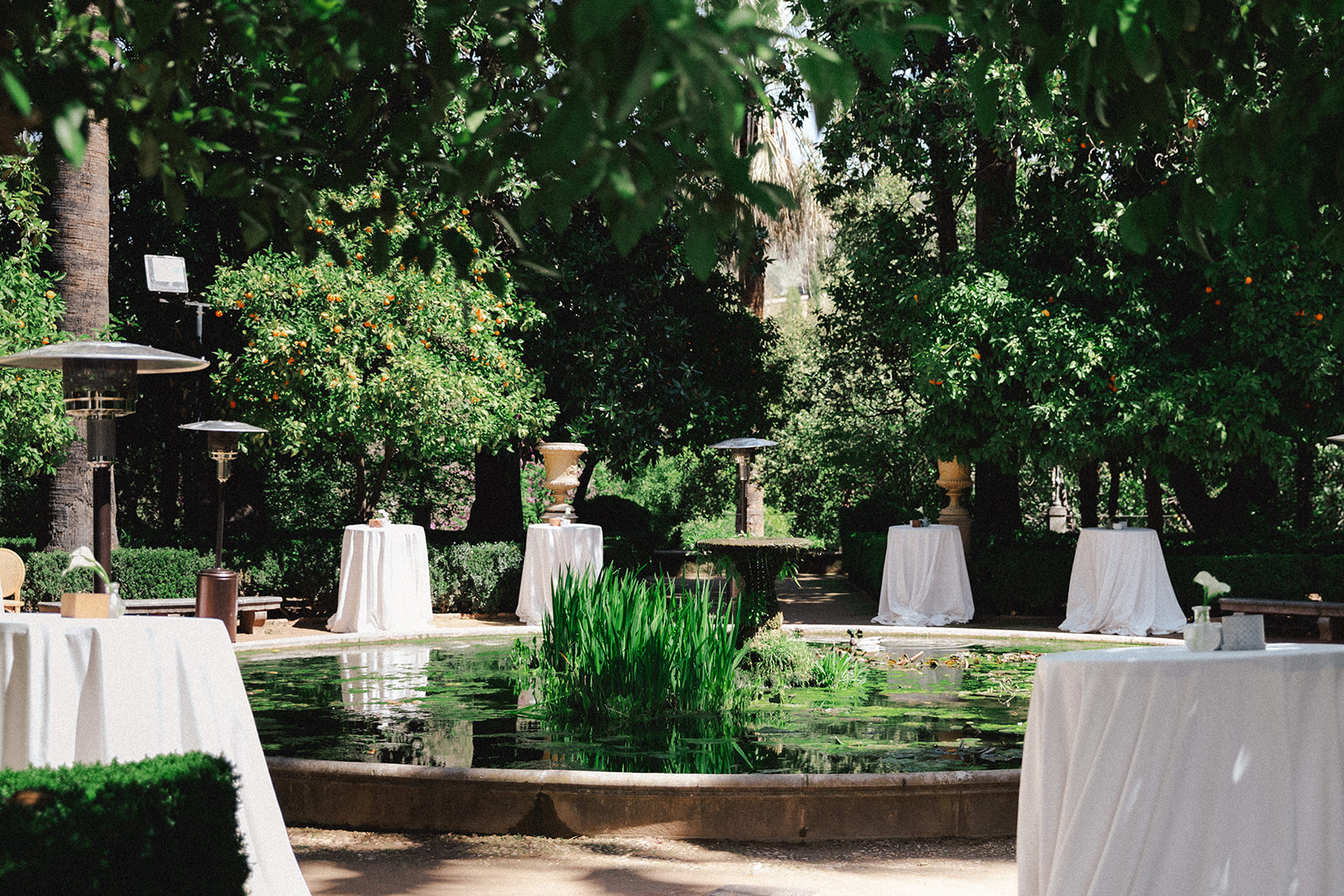
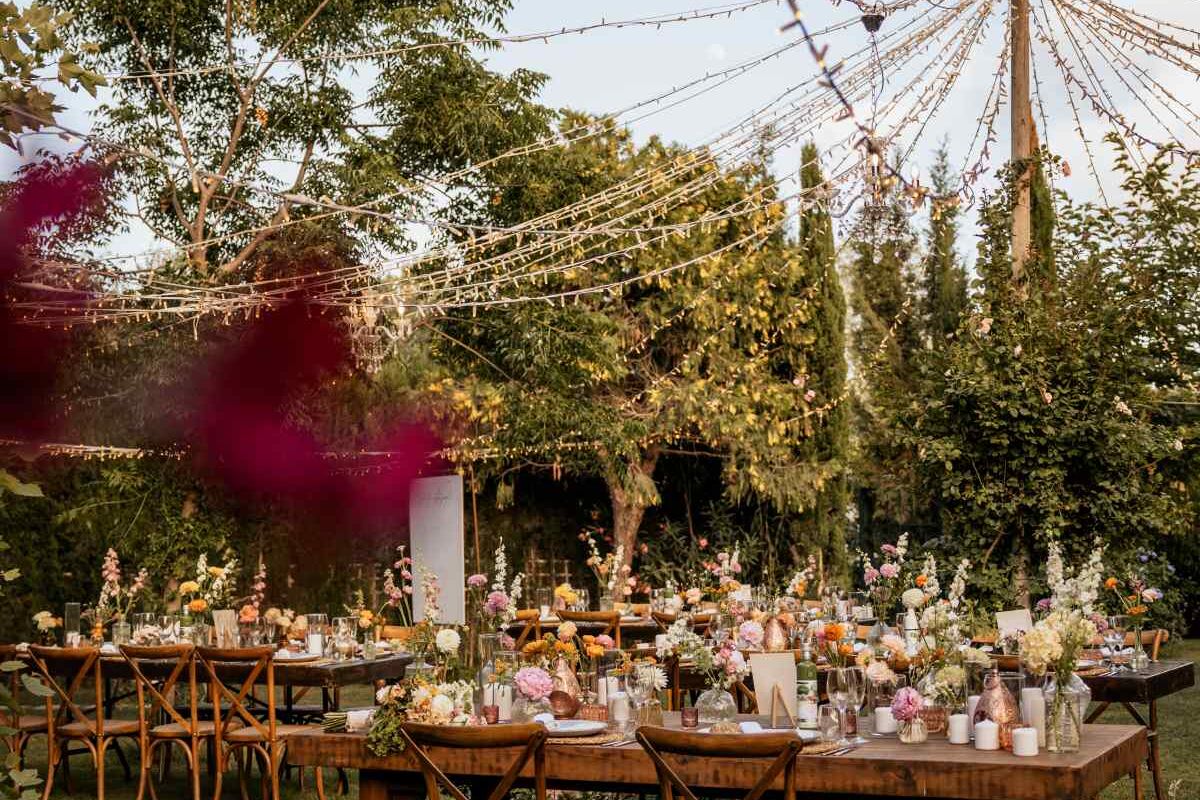
For example, in Andalusia, orange trees and carnations are often used, while in Galicia, ferns and hydrangeas are common. The way you decorate can transform any space and highlight what best represents you.
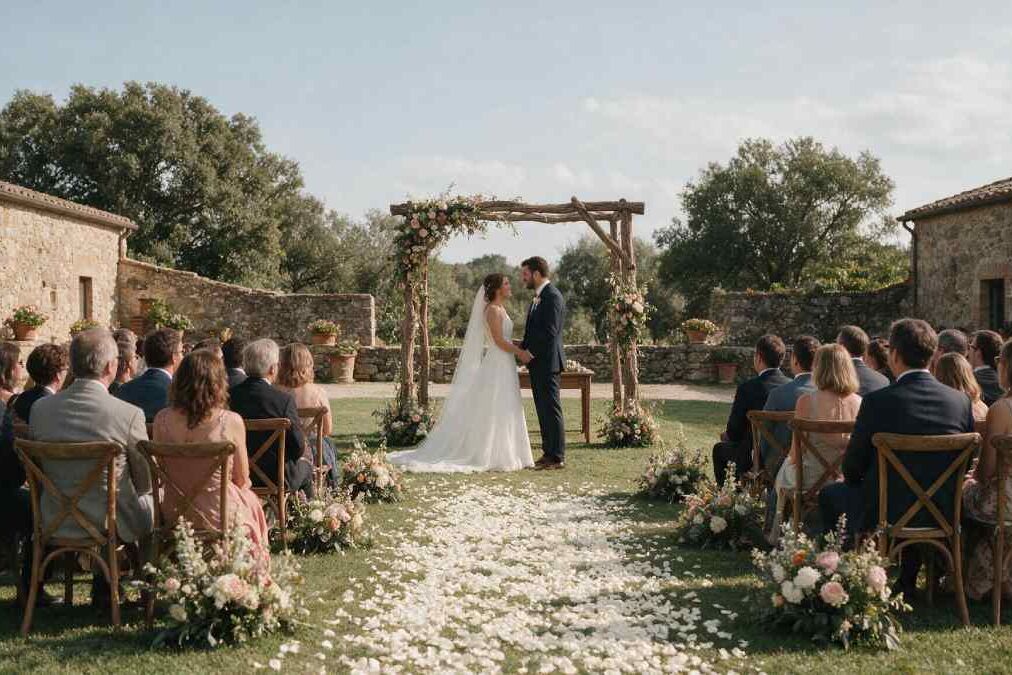
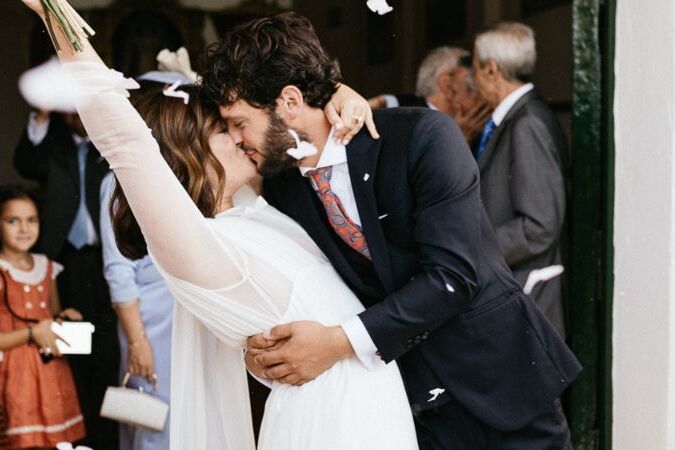
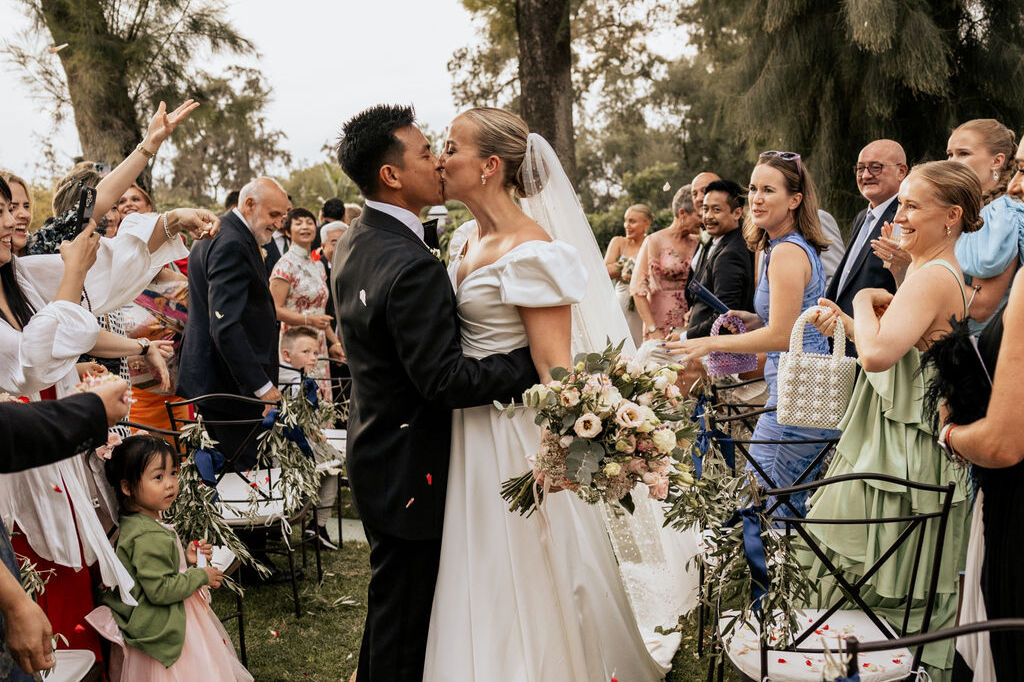
One of the most symbolic moments is the rice thrown as the couple leaves the ceremony. Can you imagine that instant, covered in rice, kisses, and hugs? Nowadays, some couples replace rice with petals or eco-friendly confetti, but the wish for happiness and prosperity remains the same.
You can also personalize the details by including fans, candles, birdcages, or themed corners that make the wedding unique. In the end, it is about leaving your mark in every corner and turning the celebration into a reflection of who you are as a couple.
Which bachelor and bachelorette party rituals still survive today?
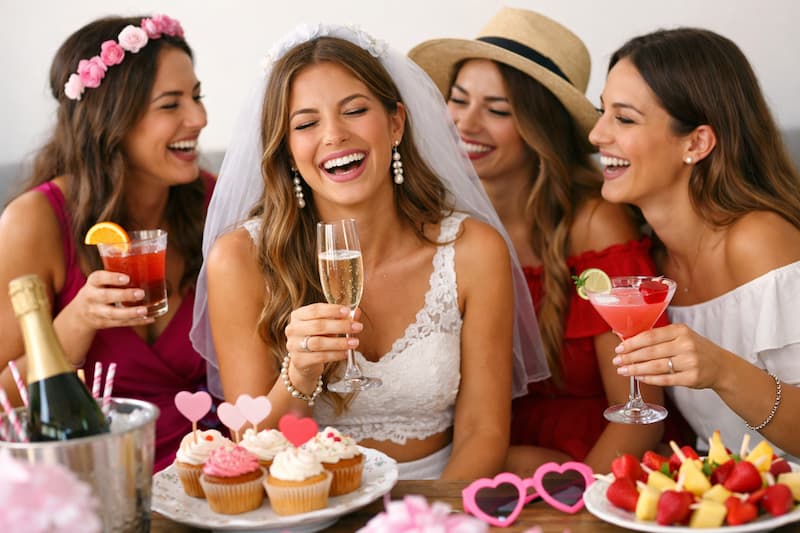
Who has not heard wild stories about bachelor and bachelorette parties in Spain? Although many have now become trips or themed activities, the essence remains the same: gathering with friends to say goodbye to single life in style.
The classic surprise party, full of jokes and games, is a must for remembering the best moments of friendship. Depending on the area, there are customs such as gifts with special meaning or symbolic challenges for the future bride or groom to earn their way into the next chapter.
You can make the celebration as calm or as wild as you prefer, but what cannot be missing is complicity and shared laughter. These are memories that stay with you and will surely become stories told for years.
How do family and friends participate in Spanish traditions?
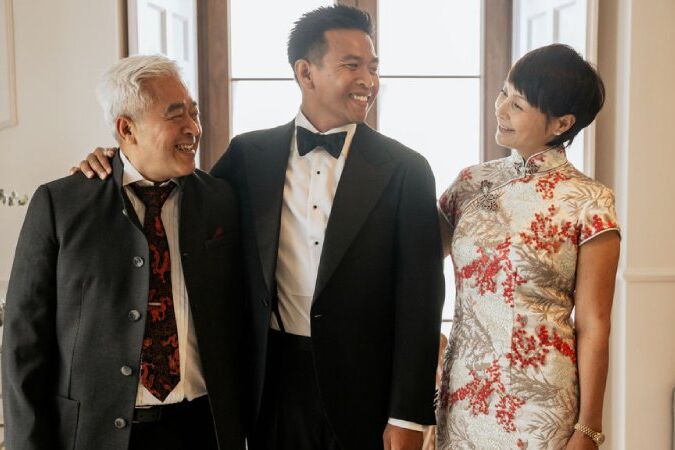
If there is one thing that turns Spanish weddings into unique celebrations, it is the involvement of family and friends in every detail and tradition.
From the godparents, best people, or sponsors, who are often parents or very close loved ones, to the closest friends, everyone has a role: accompanying the couple during the ceremony, organizing practical details, or taking part in key moments of the day.
Traditions such as tossing the bride’s bouquet, throwing the garter, or collective toasts after the cake make everyone feel part of the celebration. Can you imagine a wedding without the chaos of your friends trying to catch the bouquet?
That is the beauty of weddings in Spain: people get involved, create unique moments, and help make every wedding different and completely yours.
What typical gifts and favors are given at Spanish weddings?
Giving guests a small gift has become almost essential. It is a way to say thank you, to share, and to make sure everyone takes home a memory of your big day.
From handmade details such as personalized soaps or engraved fans to raffles or experiences during the banquet, each couple adds their own touch to make guests feel special.
It is also becoming increasingly common for the couple to exchange personal gifts just before the ceremony: emotional letters, family jewelry, or small objects with a meaning known only to them.
Each region has its own traditions: in Catalonia, ceramic figures are often given, while in the Valencian Community, gastronomic products are popular. The key is to make people feel part of the story, always choosing a gift that feels sincere and emotional.
Why choose traditions for your Spanish wedding?
You might think traditions take away originality, but the truth is exactly the opposite: they add meaning, emotion, and create an unforgettable celebration. Embracing Spanish wedding traditions is a simple way to strengthen bonds, move people, and leave a lasting impression on everyone who shares that day with you.
From the nerves surrounding the bride’s “secret look” to the exchange of arras coins and the first dance, every small-but-great gesture makes the big day unique and personal. Which one will you choose to make your wedding as special as you have always dreamed?
At That’sAmore, we know that every couple is a world of its own. That is why we adapt every detail to your taste, while always preserving the essence of weddings in Spain.
If you want your wedding to be remembered for its emotion, authenticity, and beautiful moments, do not ignore the power of traditions. In the end, the most important thing is to celebrate love and do it with the people who truly matter. Are you ready to start planning yours?