When international couples begin planning a wedding in Spain, one role often causes a little confusion: the padrino. Is he the Spanish equivalent of the best man? Does he have to be the bride’s father? Is he also a legal witness? And is he expected to give a speech?
The short answer is that a Spanish wedding padrino has a role of his own, rooted in family tradition and ceremony etiquette. Yet there is no single way to interpret it. Modern couples can adapt the role to their family, cultures and the kind of celebration they want to create.
If you are planning to get married in Spain, understanding the difference will help you divide responsibilities clearly and make every member of your wedding party feel confident on the day.
What is a padrino at a Spanish wedding?
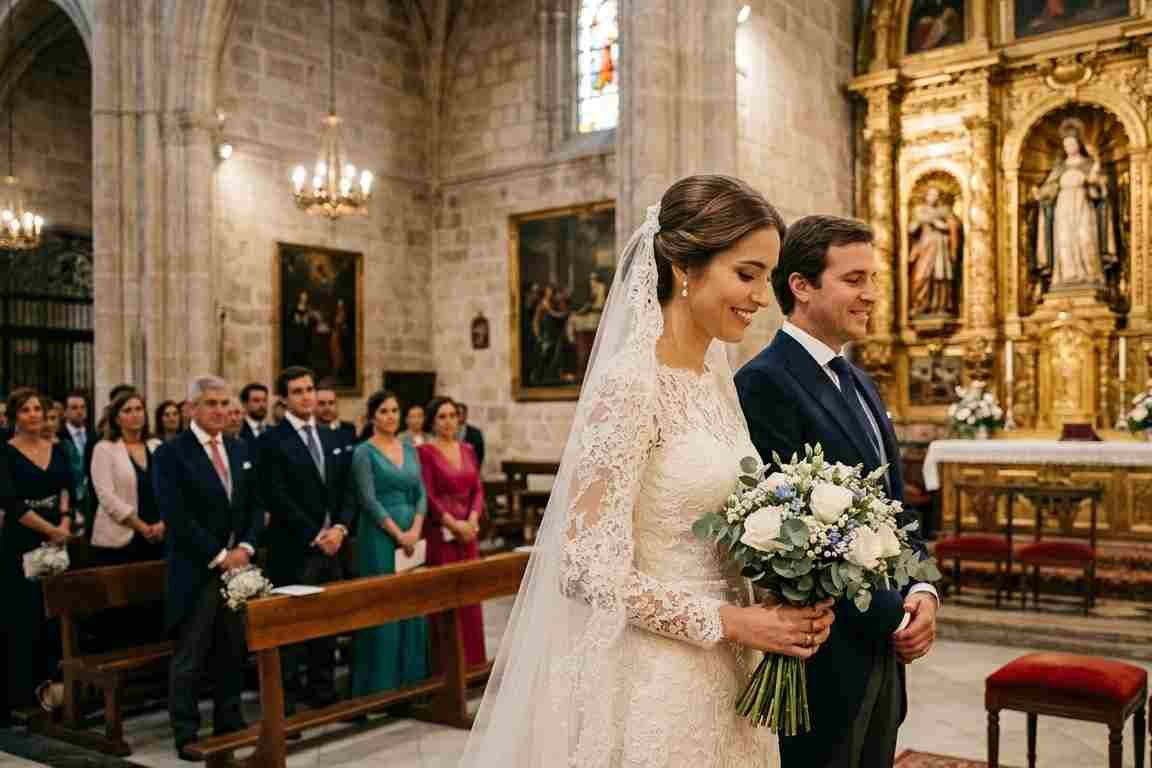
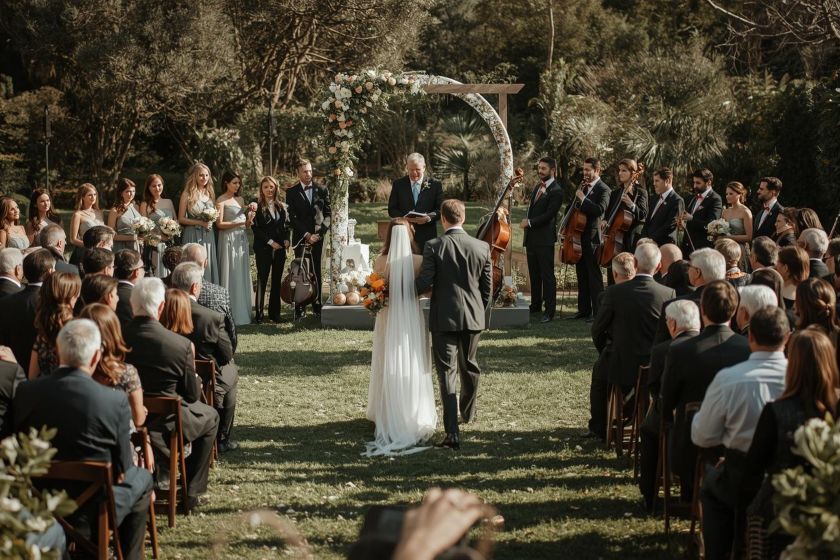
At a traditional Spanish wedding, the padrino is usually the bride’s father. He accompanies her into the ceremony and walks with her to the altar or the place where the couple will exchange their vows. The madrina is traditionally the groom’s mother, who enters with him.
The role is highly symbolic. The padrino represents the family’s love and support while accompanying the bride through one of the most emotional moments of the day.
Spanish weddings are much more flexible today. A bride may enter with her mother, brother, grandfather, uncle, friend or any person who holds a special place in her life. The aim is not to follow a formula for its own sake, but to choose someone whose presence feels genuinely meaningful.
The padrino is only one of the many Spanish wedding traditions that international couples can preserve, reinterpret or combine with customs from home.
Is a padrino the same as a best man?
Not quite. Both are prominent roles, but their traditional responsibilities are different.
At a British, Irish or American wedding, the best man is usually the groom’s brother or closest friend. He may organise the stag do, coordinate the groomsmen, keep the rings safe and deliver one of the main speeches at the reception.
At a Spanish wedding, the padrino is traditionally connected with the bride’s entrance and the representation of her family. He is not automatically responsible for the stag party, the rings or a speech unless the couple specifically asks him to take on those duties.
An international wedding can easily include both roles. The bride’s father might act as padrino and escort her into the ceremony, while the groom’s closest friend remains his best man. You can also combine the roles if that arrangement feels right.
What matters is that everyone understands their responsibilities before the wedding day.
Duties of the padrino before the wedding
Being a padrino does not need to mean receiving an endless task list. His most valuable responsibility is often much simpler: being present, offering reassurance and helping when the couple genuinely needs him.
Before the wedding, the padrino may:
- Offer emotional support to the bride or couple during the planning process.
- Join important family conversations or meaningful appointments when invited.
- Learn the ceremony schedule, entrance order and seating arrangement.
- Coordinate his outfit with the wedding’s level of formality.
- Prepare a few words for the reception if the couple would like him to speak.
- Keep in touch with the wedding planner about timing and practical details.
At a destination wedding, he should also understand the travel arrangements, transfers and meeting points. He does not need to manage the event, but he should know exactly where to be and when.
The padrino’s role during the ceremony
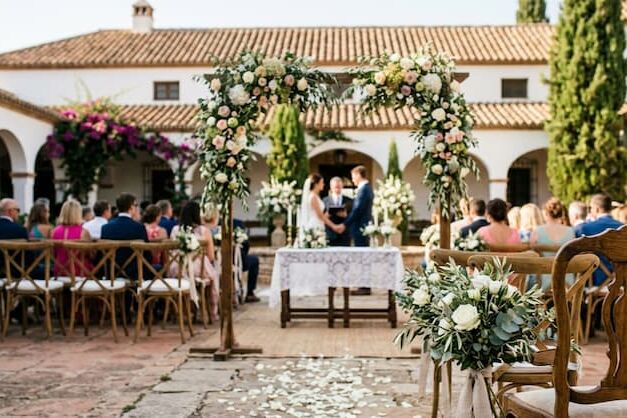
The processional is the padrino’s most recognisable moment. Traditionally, he offers the bride his right arm and walks with her towards the altar. There is no need to rush. This is often a deeply emotional few minutes for both of them and deserves to be experienced rather than simply completed.
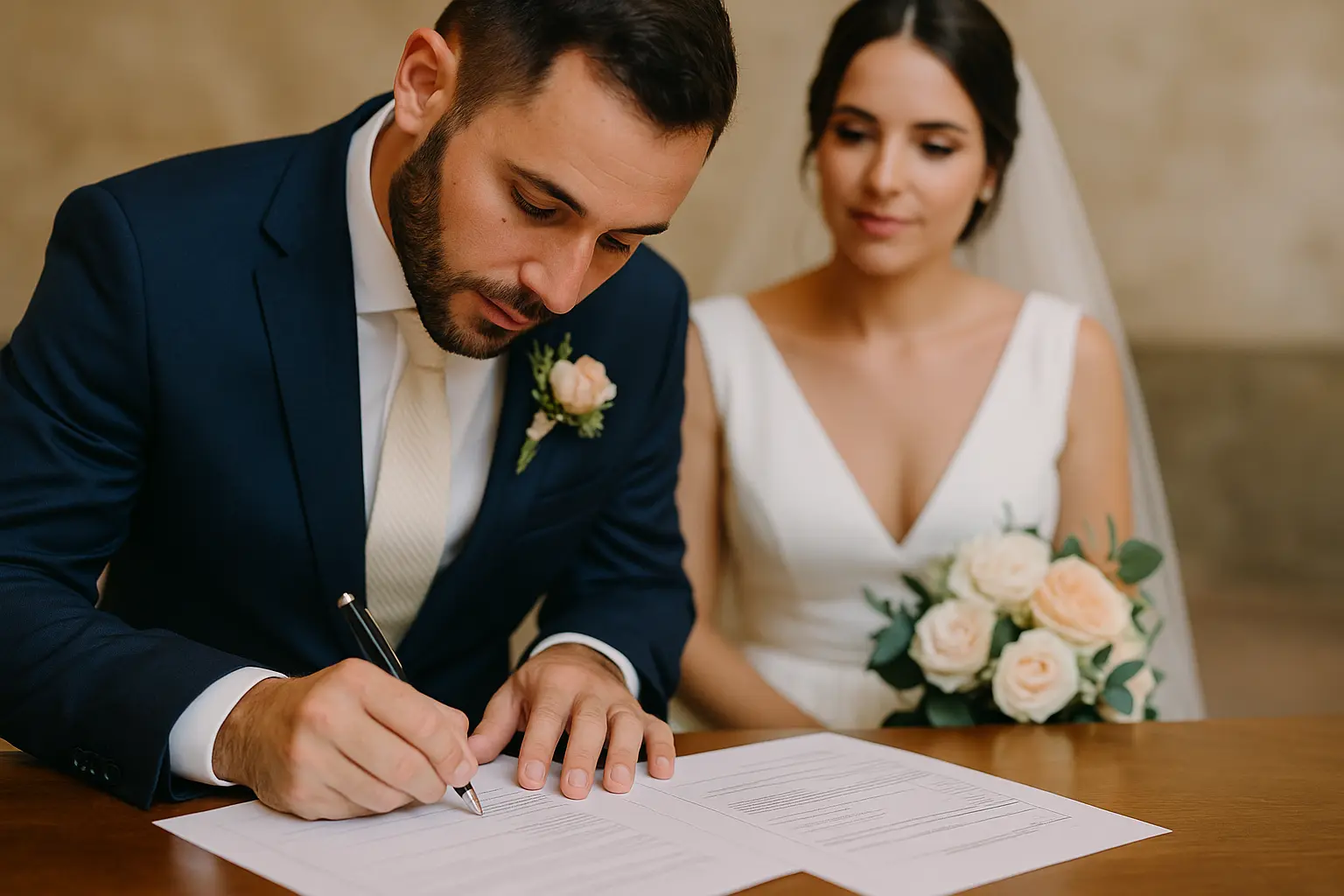
Once they reach the front, his position will depend on the ceremony format. He may sit in the first row, remain close to the couple or sign as a witness.
At a symbolic or multicultural ceremony, the couple might also invite him to give a reading, present the rings or take part in a chosen ritual. Couples bringing different backgrounds together may find further inspiration in our guide to incorporating Andalusian traditions into an international wedding.
These extra duties should never be assumed. The officiant and wedding planner need to know in advance who is doing what so that the ceremony feels natural and no one is left looking for the rings at the last moment.
The padrino’s role at the reception
After the ceremony, the padrino remains an important presence, although his role usually becomes more relaxed. He may join the couple for family photographs, welcome relatives or help guests from different countries feel included.
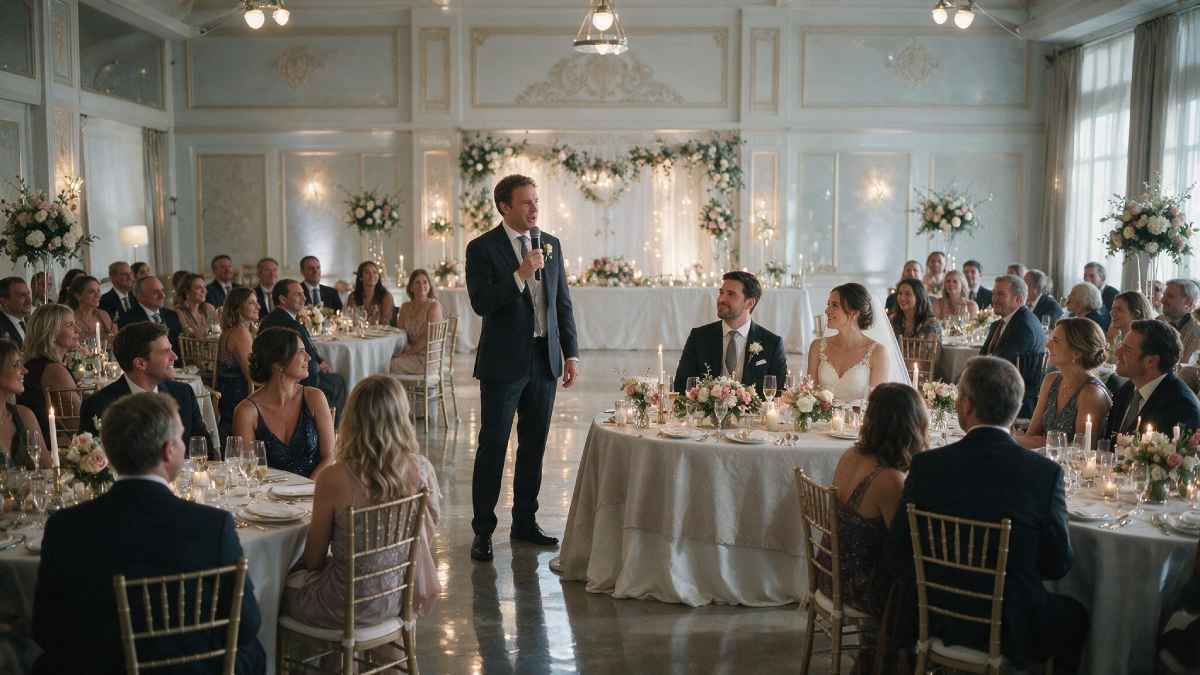
Does the padrino have to give a speech? No. In Spain, a padrino’s speech is not as firmly established as the best man’s speech in the UK, Ireland or the United States. Nevertheless, many couples now invite him to say a few words.
If he is speaking, a short, sincere and personal toast usually works best. One carefully chosen memory will often move the room far more than a long or overly formal address.
How to choose your wedding padrino
Tradition can be a useful starting point, but it should not become a restriction. Choose someone who:
- Has a meaningful relationship with you.
- Understands the emotional importance of the role.
- Is reliable, punctual and calm under pressure.
- Respects your decisions and the way you want to celebrate.
- Feels comfortable taking a visible place in the ceremony.
The padrino does not have to be a man or the bride’s father. What matters is that the person represents love, trust and support.
Blended and multicultural families can also share the role. One person might accompany the bride for part of the entrance before another joins her, or two separate processional moments can be created.
What should a padrino wear?
The padrino’s outfit depends on the time, venue and dress code. At a formal daytime wedding, he may wear a morning suit if the groom is wearing one and the invitation calls for that level of formality. At a more relaxed celebration, a well-tailored suit will usually be appropriate.
The key is coordination, not competition. The padrino should understand the wedding’s overall palette and style, but he does not have to dress exactly like the groom.
For a summer wedding in Andalusia, breathable fabrics and the local temperature also deserve careful consideration.
A Spanish tradition that can tell your own story
The padrino is much more than the person who walks the bride down the aisle. He is a reassuring presence, a bridge between generations and an important part of one of the day’s most memorable moments.
At an international wedding, you do not have to choose between Spanish etiquette and the traditions you grew up with. You can keep what moves you from each culture and shape the role around your own story.
At That’sAmore, we help couples from around the world bring different traditions, languages and family dynamics together in a celebration that feels completely personal. Explore our wedding planning services in Spain and discover how we can make every part of your destination wedding feel natural, meaningful and entirely yours.
Frequently asked questions about Spanish wedding padrinos
Does the padrino have to be the bride’s father?
No. This is the traditional Spanish choice, but the couple can ask any significant person to take on the role.
Can a woman be the padrino or escort the bride?
Absolutely. A mother, sister, friend or any chosen person can accompany the bride. The meaning of the role matters more than its traditional title.
Can we have two padrinos?
Yes. This can work particularly well for multicultural or blended families. The processional and responsibilities simply need to be planned clearly.
Is the padrino expected to pay for the wedding?
There is no general rule requiring this in Spain. Some families have their own customs, but financial contributions should always be discussed openly and never assumed.
Does the padrino carry the wedding rings?
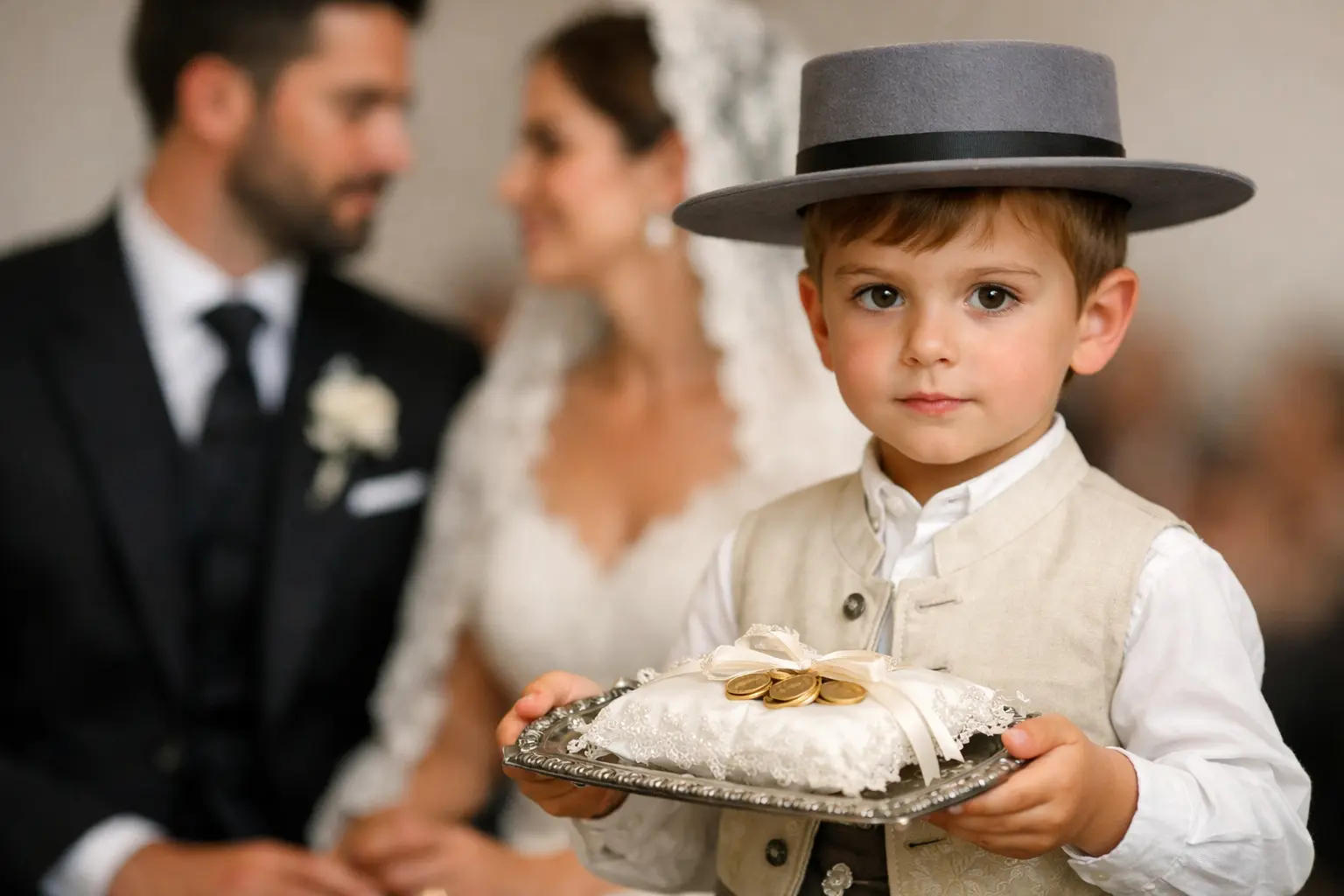
Only if the couple chooses to give him that responsibility. The rings may instead be held by the best man, a ring bearer, another relative or the wedding planning team.